How to Overwinter Cylindrical snake plant
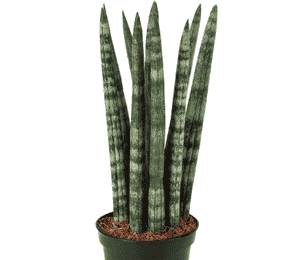
1
The Cylindrical snake plant is sensitive to cold and must be moved indoors before temperatures fall below 10°C (50°F).
2
Make sure your Cylindrical snake plant gets ample, indirect illumination throughout the colder season.
3
During winter, water infrequently, letting the soil fully dry out between watering sessions to avoid root decay.
The Importance of Overwintering Cylindrical snake plant
The Importance of Overwintering Cylindrical snake plant
Overwintering your Cylindrical snake plant is vital due to its susceptibility to frost. These robust plants can endure various conditions, but extended exposure to freezing temperatures can be harmful. By moving the plant indoors and providing proper care, you ensure its continued health and vitality, even during colder periods. Protecting the plant from frost damage not only preserves its beauty but also extends its lifespan.
Preparing Cylindrical snake plant for Winter
Inspect for Pests and Diseases
Before bringing your Cylindrical snake plant inside, thoroughly check it for any indications of pests or diseases. Examine the undersides of leaves and the plant's base for common pests such as spider mites and mealybugs. Treat any infestations with suitable insecticides or natural remedies. Ensuring your plant is pest-free helps prevent the spread of potential issues to other indoor plants.
Trimming and Cleaning
Trim off any dead or damaged leaves to encourage new growth and give your Cylindrical snake plant a fresh start for winter. Wiping the leaves with a damp cloth can help remove dust and enhance photosynthesis. Proper pruning also promotes better air circulation among the leaves, reducing the risk of fungal infections.
Repotting if Required
If your Cylindrical snake plant has outgrown its container, consider repotting it into a slightly larger one before winter. This is an opportune time to refresh the soil, ensuring it has a well-draining mix to prevent waterlogged roots, which can be particularly problematic during the winter months when plants typically require less water.
Optimal Indoor Environment for Cylindrical snake plant During Winter
Light Conditions
Cylindrical snake plant thrives in bright, indirect light, which can be somewhat challenging to provide during the darker winter months. Position your plant near a window where it can receive ample light, but avoid direct sunlight, which can scorch its leaves. If natural light is limited, consider supplementing with a grow light.
Temperature Requirements
Maintain indoor temperatures between 13-24°C (55-75°F) for your Cylindrical snake plant. Avoid placing the plant near drafty windows or heating vents, as abrupt temperature changes can stress it. Consistent temperatures will help keep your plant healthy and growing throughout the winter.
Humidity Levels
While Cylindrical snake plant is quite adaptable, it prefers moderate humidity levels. During winter, indoor air can become dry due to heating systems. Using a humidifier or placing the plant on a pebble tray with water can help maintain adequate humidity. Aim for relative humidity levels around 40-50%.
Common Overwintering Issues and Solutions for Cylindrical snake plant
Addressing Overwatering
Overwatering is a frequent problem during winter, as the plant's water needs decrease. Signs of overwatering include yellowing leaves and soft roots. To prevent this, ensure your plant's pot has good drainage and avoid letting water accumulate in the saucer. If you notice symptoms of overwatering, reduce watering frequency immediately and allow the soil to dry out completely before the next watering.
Preventing Draft Damage
Drafts from windows or doors can cause temperature fluctuations that stress the Cylindrical snake plant. Ensure your plant is positioned away from cold drafts and direct heat sources. Using a draft stopper or relocating the plant to a more stable environment can help. Consistent ambient conditions are crucial for preventing stress-related damage during the winter months.



