How to Overwinter African violet
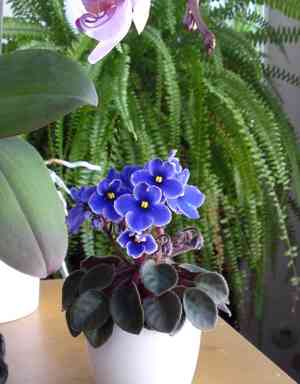
1
African violet flourishes in ample, diffused illumination, with a north or east-facing window being perfect.
2
Keep temperatures between 18°C and 24°C (65°F and 75°F) for best development.
3
Steer clear of moist foliage to deter decay; hydrate from below by setting the container in a water-filled saucer.
Why Overwinter African violet?
Why Overwinter African violet?
The African violet is a beloved houseplant, prized for its lovely, soft leaves and vibrant blooms. However, it requires special attention during colder months. As a delicate plant, African violets cannot endure freezing temperatures. Overwintering guarantees their continued health and indoor flourishing. By understanding and meeting their specific needs, you can help your African violets stay strong and colorful throughout the year.
Preparing African violet for Winter
Inspecting for Pests
Before bringing your African violet inside for winter, thoroughly examine the plant for any pests. Look for common invaders such as aphids, mealybugs, and spider mites. Use a magnifying glass if necessary to check under leaves and around the stem. If you find any unwelcome guests, treat the plant immediately with insecticidal soap or horticultural oil to prevent home infestations.
Cleaning and Pruning
Clean your African violet by gently wiping its leaves with a damp cloth to remove dust and debris. This aids the plant's respiration and photosynthesis. Prune off any dead or discolored leaves to promote healthy growth. Keeping the plant neat and free of old foliage reduces disease risk.
Repotting
Winter is an ideal time to repot your African violet if it has outgrown its current container. Select a slightly larger pot with good drainage to accommodate expanding roots. Use a well-draining soil mix specifically formulated for African violets. Repotting not only provides fresh nutrients but also prevents root congestion, ensuring more robust growth.
Ideal Indoor Conditions for African violet
Light Requirements
African violets thrive in bright, indirect illumination. Position them near a north or east-facing window where they can receive ample sunlight without exposure to harsh, direct rays. If natural light is insufficient, consider using fluorescent or LED grow lights to supplement their blooming needs.
Temperature Management
Maintain a consistent temperature between 18°C to 24°C (65°F to 75°F) for your African violet. Avoid placing the plant near drafty windows or heating vents, as extreme temperature fluctuations can stress it. During winter, a stable environment helps keep the plant healthy.
Humidity Levels
African violets prefer a humidity level of approximately 50%. In winter, indoor air can become very dry due to heating systems. Increase humidity by placing a humidifier near the plant or setting the pot on a tray filled with water and pebbles. The evaporating water boosts humidity around the plant.
Watering Routine
Water your African violet carefully to prevent overwatering, which can lead to root rot. Water from the bottom by placing the pot in a tray with water, allowing the soil to absorb moisture. Ensure the soil remains consistently moist but not waterlogged. Itâs crucial to let the top layer of soil dry out slightly between waterings.
Common Issues and Solutions in Winter
Managing Yellow Leaves
Yellow leaves on your African violet often signal overwatering or insufficient light. Review your watering schedule and ensure the plant receives enough indirect light. Remove yellow leaves to encourage new growth.
Dealing with Low Humidity
During winter, indoor humidity levels can significantly decrease. To counteract this, use a humidifier or place your African violet on a pebble tray with water. Grouping plants together can also create a microenvironment with higher humidity.
Preventing Overwatering
Overwatering is a frequent problem, especially in winter when evaporation rates are lower. Adhere to a consistent watering schedule, ensuring the potting mix is moist but not saturated. Use a pot with adequate drainage holes and avoid letting the plant sit in water.
FAQs about Overwintering African violet
Can African violet Survive Frost?
No, African violets are delicate plants and cannot endure frost. Ensure they are kept indoors with controlled temperature conditions during the winter months to prevent frost damage.
Should I Fertilize African violet in Winter?
It's generally best to reduce or cease fertilizing African violets in winter. The plant's growth slows during this period, and excessive fertilization can lead to nutrient accumulation and potentially harm the plant.
What is the Best Location for African violet?
The ideal location for an African violet during winter is near a north or east-facing window where it receives bright, indirect light. Avoid areas with drafts or direct heat sources to maintain a stable environment.



