How to Overwinter Pacific rhododendron
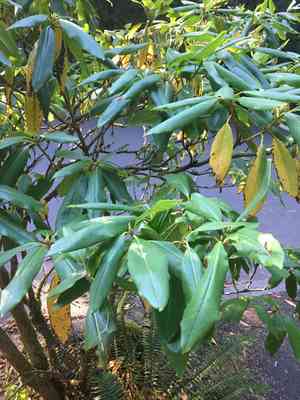
1
Pacific rhododendrons are resilient and can withstand freezing conditions, yet they require appropriate attention to flourish in colder months.
2
Applying mulch aids in preserving soil hydration and offers protection from severe cold.
3
Correct irrigation methods are essential to avoid root decay throughout winter.
What Does 'Overwinter' Mean for Pacific rhododendron?
What Does 'Overwinter' Mean for Pacific rhododendron?
Overwintering describes the process of preparing and tending to Pacific rhododendron during the cold winter months to ensure their survival and flourishing in spring. As Pacific rhododendron is a robust plant, frequently found in cooler climates, it is well-adapted to endure freezing temperatures. However, despite their hardiness, providing extra care during winter can help them maintain strong health and guarantee a spectacular bloom in the subsequent season.
Preparing Pacific rhododendron for Winter
Inspecting Plant Health
Start by thoroughly examining your Pacific rhododendron. Look for any indications of disease, pest infestation, or damage. Address any problems before winter arrives to prevent them from worsening in the cold. Ensure the plant is free from dead or decaying material, which can harbor pests and diseases.
Pruning and Cleaning
Pruning is essential before winter. Remove any dead or weak branches to prevent them from breaking under the weight of snow or ice. Clear the area around the plant's base to remove fallen leaves and debris that can serve as pest hiding spots. This step helps reduce the risk of infections and infestations during winter.
Mulching Tips
Mulching is an effective method to safeguard the roots of your Pacific rhododendron. Apply a layer of organic mulch, such as wood chips or straw, approximately 5-10 cm (2-4 inches) thick around the plant's base. This layer helps retain soil moisture, provides insulation against temperature fluctuations, and minimizes weed growth.
How to Protect Pacific rhododendron from Frost?
Using Frost Cloths
During severe cold spells, cover your Pacific rhododendron with frost cloths or burlap. These materials allow the plant to respire while offering protection against frost and icy winds. Gently drape the fabric over the plant and secure it with stakes or ties.
Proper Watering Techniques
Watering deeply before the ground freezes can help protect the roots. Ensure the soil is moist but not waterlogged. Reduce watering frequency during winter, as overwatering can lead to root rot, a common issue in cold, wet conditions. Essentially, the plant should be kept hydrated without sitting in water.
Positioning and Wind Protection
Place your potted or recently transplanted Pacific rhododendron in a location sheltered from strong winds, which can be detrimental to the plant's well-being. If feasible, move containers to a less exposed area. Use windbreaks, such as fences or hedges, to provide additional protection.
Indoor Care for Pacific rhododendron
Choosing an Ideal Location
If you are keeping your Pacific rhododendron indoors during winter, select a bright, cool spot. A room with east-facing windows can provide sufficient morning light without the intensity that might scorch the leaves.
Indoor Humidity and Temperature Control
Maintaining humidity is vital for indoor Pacific rhododendron. Use a humidifier or place a tray of water near the plant to keep the air moist. Keep indoor temperatures between 10-15°C (50-59°F), mimicking the cooler natural habitat the plant is accustomed to.
Common Winter Issues and Solutions for Pacific rhododendron
Fungal Diseases and Prevention
Fungal diseases can worsen in damp, cold conditions. To prevent these, ensure good air circulation around the plant and avoid waterlogged soil. In case of an outbreak, use appropriate fungicidal treatments after consulting with your local gardening center.
Dealing with Pest Infestations
Common pests such as aphids and spider mites can still be a problem in winter. Regularly inspect your Pacific rhododendron and treat infestations promptly with insecticidal soap or neem oil. Maintaining cleanliness around the plant can also deter pests.
Recognizing and Remedying Nutrient Deficiencies
Limited nutrient absorption can result in yellowing leaves or stunted growth. Use a slow-release fertilizer specifically formulated for rhododendrons in late fall to help the plant store nutrients. Avoid heavy feeding during winter, as the plant's growth slows down in this period.



