How to Overwinter Lady Palm
1
Lady Palm is very susceptible to low temperatures, thriving best in USDA zones 9 through 11.
2
Optimal growth requires indoor humidity levels to be kept between 40-60%.
3
Inspect your Lady Palm for common pests such as spider mites and scale insects, especially in winter.
Why is Lady Palm Tender to Frost?
Why is Lady Palm Tender to Frost?
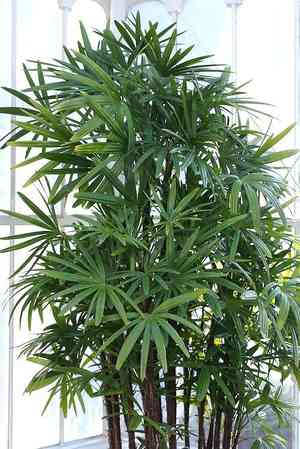
The Lady Palm (Rhapis excelsa) is a lovely indoor plant, recognized for its appealing, fan-shaped foliage and ability to thrive in dim light. However, this tropical plant is extremely susceptible to frost. Hailing from Asia's subtropical regions, the Lady Palm is accustomed to warm climates. When exposed to temperatures below 50°F (10°C), it becomes vulnerable to harm. Freezing temperatures can cause leaves to turn brown and the plant to experience shock, ultimately impacting its growth and vitality.
Preparing Your Lady Palm for Winter
Indoor Placement
As temperatures start to fall, it's essential to move your Lady Palm indoors to shield it from the cold. Choose a spot inside your home that gets indirect light, such as near a north or east-facing window. Avoid placing your Lady Palm in direct sunlight, as this can scorch its leaves. The bathroom or kitchen can be excellent choices due to their relatively higher humidity levels.
Reducing Watering
During the colder months, your Lady Palm's growth rate will decrease, meaning it will need less water. Excessive watering can lead to root rot, which is particularly harmful during the cold season. Allow the top 1 to 2 inches (2.5 to 5 cm) of the soil to dry out between waterings. On average, watering every two to three weeks should be sufficient, but always check the soil moisture before adding more water.
Adjusting Humidity Levels
Indoor air tends to be drier in winter due to heating systems. For the Lady Palm, maintaining a humidity level of around 40-60% is ideal. Use a hygrometer to monitor indoor humidity and consider using a humidifier to maintain the necessary levels. Alternatively, you can place a tray filled with water and pebbles beneath the pot or regularly mist the leaves to increase humidity.
Common Mistakes to Avoid During Overwintering
Overwatering
Overwatering is a primary cause of plant problems during winter. Remember, the Lady Palm requires less water during its dormant period. Always check soil moisture and ensure your pot has adequate drainage.
Inadequate Light
Although the Lady Palm can tolerate low light conditions, complete darkness can impede its growth. Ensure your plant receives sufficient indirect light throughout the day. You might consider supplementing with a grow light if natural light is insufficient.
Drafty Locations
Avoid positioning your Lady Palm near doors, windows, or vents where it could be exposed to cold drafts. Such exposure can shock the plant and damage its leaves. Select a stable environment without significant temperature fluctuations.
Monitoring Your Lady Palm Throughout Winter
Regular Inspections
Weekly checks can help you identify potential issues early. Look for signs of stress, such as yellowing leaves, brown tips, or unusual spots. Early detection can significantly impact maintaining your plant's health.
Pest Control
Winter can sometimes bring unwanted pests like spider mites and scale insects. Inspect your Lady Palm for any signs of pests and use appropriate treatments, such as insecticidal soap or neem oil, if needed. Maintaining optimal humidity can also help deter some pests.
Adjusting Care Routine
Winter care is about finding the right balance. Adjust your watering schedule, monitor humidity, and provide adequate light as necessary. Be mindful of your Lady Palm's specific needs and be prepared to adapt to ensure it stays healthy throughout the winter.



