How to Overwinter Blue oak
1
Blue oak tolerates cold and can endure temperatures as low as -18°C (0°F).
2
Confirm Blue oak is adequately hydrated prior to the initial frost to safeguard its root system.
3
Apply mulch around your Blue oak to insulate the ground and conserve moisture.
Understanding Blue oak Frost Hardiness
Understanding Blue oak Frost Hardiness
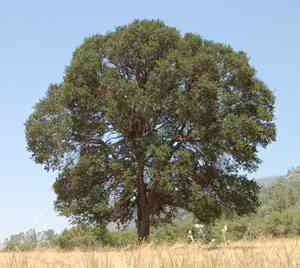
The Blue oak (Quercus douglasii) is a native Californian species renowned for its resilience in diverse climates, including frosty conditions. A key characteristic of the Blue oak is its capacity to endure low temperatures, making it a relatively robust tree. However, comprehending its frost hardiness involves more than just knowing it can survive winter. It's vital to consider factors such as the duration and intensity of frost periods in your region. Typically, Blue oak can withstand temperatures down to -18°C (0°F), rendering it suitable for colder environments. Nevertheless, to ensure your tree flourishes, implementing proper care techniques during the winter months is essential.
Preparing Blue oak for Winter
Assessing Plant Health
Prior to winter's arrival, it's important to evaluate the overall health of your Blue oak. Look for any indications of illness, pest infestation, or physical harm. Healthy trees are more likely to endure winter's stresses. Trim any dead or damaged branches, as these can become entry points for frost damage. If you observe any signs of disease, consider treating the tree before cold weather makes recovery more difficult for the plant.
Adequate Watering Before Frost
A critical step in readying your Blue oak for winter is ensuring it receives sufficient water before the initial frost. Well-hydrated trees are better insulated against cold temperatures. Water your Blue oak thoroughly in the autumn, providing approximately 38-45 liters (10-12 gallons) of water per mature tree. This deep watering aids the roots in storing moisture, which is vital for surviving the dry winter months.
Fertilization Needs
Fertilizing your Blue oak before winter can also strengthen it against frost damage. Apply a balanced, slow-release fertilizer in late fall. This supplies essential nutrients that support root health and overall vigor. However, avoid high-nitrogen fertilizers as they promote new growth, which is vulnerable to frost damage.
Protection Methods for Blue oak During Winter
Mulching Techniques
Mulching is one of the most effective ways to safeguard your Blue oak during the winter. Apply a layer of organic mulch, such as wood chips or straw, around the tree's base. A 5-10 cm (2-4 inch) thick mulch layer helps insulate the soil, retaining moisture and reducing temperature fluctuations. Be sure to keep the mulch a few centimeters away from the trunk to prevent rot.
Shielding from Harsh Winds
Winter winds can be as detrimental as frost. To protect your Blue oak from strong winds, consider building a windbreak. This can be a simple barrier made from burlap or a more permanent structure like a hedge. Windbreaks help lessen the wind's impact, preventing dehydration and frostburn on the leaves and branches.
Maintaining Soil Moisture
Winter drought can be a hidden danger to your Blue oak. Even during colder months, it's crucial to maintain soil moisture. Check the soil around your tree regularly, and if it feels dry, water accordingly. Aim to keep the soil slightly moist but not waterlogged. During extended dry periods, occasional deep watering can make a significant difference.
Monitoring Blue oak Throughout Winter
Regular Check-ups
Consistent monitoring of your Blue oak throughout the winter is essential. Inspect the tree for signs of frost damage, dehydration, or disease. Pay close attention to the branches and leaves for any changes in color or texture. Early detection of issues can help you address them before they become severe.
Identifying and Addressing Frost Damage
Despite all precautions, frost damage can still occur. Common indicators include browning or blackening of leaves and branches. If you notice any frost damage, prune the affected parts in early spring once the risk of frost has passed. This helps prevent the spread of damage and encourages healthy new growth.
Adjusting Care Based on Weather Patterns
Winter can be unpredictable, so it's important to adapt your care routine based on current weather conditions. If an unusually cold spell is predicted, take extra measures such as adding more mulch or increasing wind protection. Conversely, if it's a milder winter, you may need to water the tree more frequently to combat dry conditions.



