How to Overwinter Guava
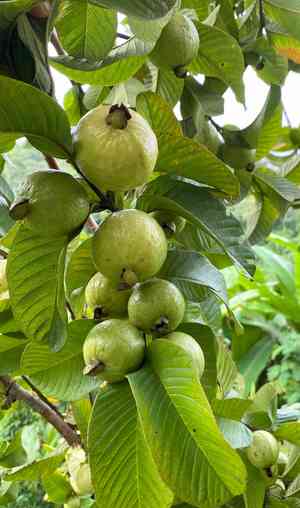
1
Guava plants are susceptible to frost and require safeguarding when temperatures drop below 0°C (32°F).
2
For Guava plants indoors during winter, maintain humidity levels between 50-60%.
3
Applying organic mulch can help insulate the root systems of outdoor Guava plants.
Why Overwintering Guava Plants is Crucial?
Why Overwintering Guava Plants is Crucial?
Protecting Guava plants during winter is vital for their survival in colder regions. Being sensitive to frost, Guava cannot endure temperatures below freezing (0°C or 32°F). Without proper winter care, these tropical species can suffer significant harm or even perish. By understanding and applying effective winterization methods, you can help your Guava plants flourish annually, yielding tasty fruit and robust development.
Preparing Guava Plants for Winter
Pruning and Cleaning the Plant
Begin by trimming your Guava plant to remove any dead, diseased, or damaged branches. This helps decrease the plant's energy use during cold months and promotes healthier growth in spring. Clean the plant by gently wiping its leaves and stems to eliminate dust and pests. This simple action can deter infestations and prepare the plant for indoor or outdoor winter care.
Assessing Plant Health
Before relocating your Guava plant for winter, thoroughly inspect it for any signs of pests or diseases. Address any problems immediately to prevent them from worsening over winter. Treating the plant with an organic insecticide or fungicide can help manage existing issues. Healthy plants are more likely to successfully endure winter and rebound strongly in spring.
Watering and Feeding Before Winter
In the weeks leading up to winter, progressively reduce watering frequency. However, ensure the plant remains hydrated. A well-watered plant is more resistant to cold stress. Cease feeding the plant about a month before the first anticipated frost to help it enter dormancy. Excessive fertilization can stimulate new growth, which is more susceptible to cold damage.
Indoor Overwintering of Guava Plants
Choosing the Right Indoor Location
Select a bright and spacious indoor spot for your Guava plant. Ideally, choose an area near a south-facing window where the plant can receive ample natural light. Avoid placing the plant near drafty windows or doors, as sudden temperature changes can harm it. A stable environment is crucial for its winter survival.
Temperature and Humidity Requirements
Guava plants thrive in temperatures between 18-24°C (65-75°F) during winter. It's essential to maintain indoor humidity levels around 50-60% to mimic their tropical origins. You can use a humidifier to achieve the correct humidity level or place a tray of water near the plant. This helps prevent leaf drop and keeps the plant healthy.
Lighting Needs for Guava Plants
Ensure your indoor Guava plant receives sufficient light by placing it in a location with at least 6-8 hours of indirect sunlight daily. If natural light is inadequate, consider using grow lights to provide the necessary illumination. Adequate light helps the plant maintain its vigor and reduces the risk of leggy growth.
Outdoor Overwintering Tips for Guava Plants
Using Mulch to Protect Roots
Applying a thick layer of mulch around the base of your outdoor Guava plant can help insulate its roots from freezing temperatures. Use organic materials like straw, leaves, or wood chips, which decompose slowly and enrich the soil. Aim for a mulch layer that's 5-10 cm (2-4 inches) thick.
Wrapping and Covering the Plant
Protect the canopy of your Guava plant by wrapping it with burlap or frost cloth. This creates a barrier against cold winds and frost, reducing the risk of damage. Ensure the wrapping allows for some air circulation to prevent moisture build-up, which can lead to fungal issues.
Wind and Frost Protection
Position windbreaks or temporary barriers around your Guava plant to shield it from strong winter winds. Frost blankets or covers can also be used during particularly cold nights. Heavy-duty plastic or fabric covers work well to trap heat and keep the plant warmer.
Monitoring and Care During Winter
Checking for Pests and Diseases
Regularly inspect your Guava plant for any signs of pests or diseases throughout winter. Early detection and treatment are crucial to preventing serious infestations or health problems. Prune away any infected parts and use appropriate treatments as necessary.
Watering Schedule
Monitor the soil moisture of your Guava plant and adjust your watering schedule accordingly. Indoor plants may need watering once the top 2-3 cm (1 inch) of soil feels dry. For outdoor plants, ensure the soil remains slightly moist but not waterlogged. Overwatering can lead to root rot, especially in cooler temperatures.
Adjusting Indoor Conditions
Indoor conditions can fluctuate during winter, so consider using a hygrometer and thermometer to monitor the plant's environment. Adjust humidifiers, heaters, or fans as necessary to maintain optimal conditions for your Guava plant. Consistency is key to preventing stress and promoting healthy growth.
Preparing for Spring Transition
Gradual Reintroduction to Outdoor Environment
As spring approaches, gradually acclimate your Guava plant to outdoor conditions. Start by placing it outside for a few hours each day, progressively increasing the time spent outdoors. This helps the plant adjust to temperature changes and reduces shock when fully transitioned.
Feeding and Pruning in Spring
Once the risk of frost has passed, begin feeding your Guava plant with a balanced fertilizer to support new growth. Spring is also an excellent time for light pruning to shape the plant and encourage healthy branching. Remove any winter-damaged parts and check for any lingering pest or disease issues.



