How to Overwinter Terebinth tree
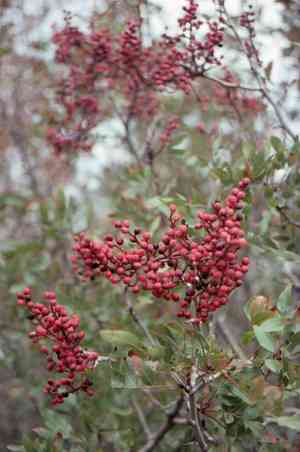
1
The Terebinth tree is moderately resilient and tolerates minor frosts, but needs safeguarding during severe freezes.
2
Optimal indoor winter temperatures for a Terebinth tree range from 15°C-20°C (59°F-68°F).
3
Applying mulch can assist in moderating soil warmth and preserving hydration for the Terebinth tree over winter.
Understanding Your Terebinth tree's Needs
Understanding Your Terebinth tree's Needs
The Terebinth tree, known for its hardiness and decorative appeal, flourishes in well-drained soil and prefers ample sunlight. As a semi-hardy tree, it can withstand mild frosts but requires additional attention during particularly cold winters. Grasping its requirements is the initial step to ensure its survival and prosperity, even in colder months.
Preparing Your Terebinth tree for Winter
When to Start Preparing
Begin preparing your Terebinth tree for winter as autumn commences, around late September to early October. This timing allows the tree to gradually adapt to lower temperatures and minimizes shock.
Pruning and Cleaning
Trim your tree to remove any dead or damaged branches. This not only helps maintain its form but also reduces the risk of disease. Clear the area around the tree's base to remove fallen leaves and debris that could harbor pests.
Inspecting for Pests and Diseases
Thoroughly examine your Terebinth tree for any indications of pests or diseases before winter arrives. Treat any infestations immediately to prevent them from worsening, as pests and diseases can be more challenging to manage during winter.
Best Practices for Overwintering Outdoors
Choosing the Right Location
If you plan to overwinter your Terebinth tree outdoors, select a spot that is protected from strong winds while still receiving adequate sunlight. A location near a south-facing wall can provide additional warmth.
Mulching and Ground Cover
Apply a thick layer of mulch (about 5-7 cm or 2-3 inches) around the base of your tree. This helps retain soil moisture and insulates the roots from extreme temperature fluctuations. Organic mulches like straw, leaves, or wood chips work effectively.
Steps to Overwinter Indoors
Selecting an Indoor Space
Choose an indoor location for your Terebinth tree that has access to abundant natural light, such as a south-facing window. The space should be cool but not freezing, maintaining temperatures between 15°C-20°C (59°F-68°F).
Maintaining Ideal Temperature and Humidity
Maintain a consistent temperature and avoid placing the tree near heating vents or drafts. To ensure the tree doesn't dry out, use a humidifier or place a shallow tray filled with water near the tree to keep the air adequately humidified.
Providing Adequate Light
Ensure that your Terebinth tree receives at least six hours of light daily. If natural light is insufficient, consider using a grow light to supplement its light requirements.
Watering and Fertilizing
Water your indoor Terebinth tree sparingly during winter, allowing the topsoil to dry out between waterings. Itâs important not to overwater as it can lead to root rot. Fertilize minimally, if at all, as the tree's growth slows during dormancy.
Monitoring Your Terebinth tree During Winter
Regular Inspections
Regularly inspect your Terebinth tree for signs of stress, dehydration, or pest infestation. Look out for yellowing leaves, mold, or any unusual changes.
Adjusting Care as Needed
Based on your inspections, adjust your care routine. Increase humidity levels if leaves appear dry, or move the tree to a warmer location if it seems too cold. Monitoring and adapting care is crucial to your tree's winter survival.
Post-Winter Care for Your Terebinth tree
Preparing for Spring
As the weather starts to warm up, gradually increase the amount of water you give your Terebinth tree. Begin to reintroduce a balanced fertilizer to support new growth, starting with a diluted solution.
Gradual Transition Outdoors
Transition your Terebinth tree back outdoors by slowly acclimating it to the change in environment. Start by placing it outside for a few hours a day in a sheltered spot and gradually increase its exposure to outdoor conditions.



