How to Overwinter Betel
1
Betel plants are tropical and cannot tolerate freezing conditions. Move them inside before temperatures fall below 10°C (50°F).
2
Consistent trimming supports the plant's well-being and lowers the chance of pest problems.
3
In winter, Betel plants require a moist atmosphere and temperatures exceeding 15°C (59°F) to flourish.
What are Betel Plants?
What are Betel Plants?
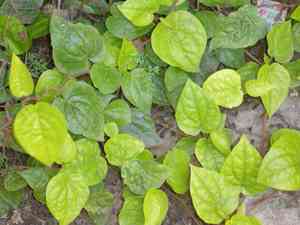
Betel plants, recognized for their shiny, heart-shaped foliage, hold cultural importance in many Asian societies for their use in traditional customs and cooking. These tropical climbing plants typically flourish in warm, moist environments and prefer well-drained, rich soil. Betel plants can be cultivated both indoors and outdoors, making them adaptable additions to your garden or home.
Preparing Your Betel Plant for Winter
Pruning Betel Plants
Trimming is a key step in getting your Betel plant ready for winter. Start by removing any dead or yellowed leaves to ensure energy is directed to the plant's healthy sections. Cut the vines to a manageable length, leaving a few growth points on each stem to encourage new development. This not only makes the plant more compact and easier to handle but also lowers the chance of pest infestations.
Cleaning and Inspecting for Pests
Before bringing your Betel plant inside, thoroughly check it for pests like aphids, spider mites, and mealybugs. Clean the leaves and stems with a gentle spray of water and mild soap. This helps eliminate any existing pests and prevents potential indoor infestations. Additionally, consider using an insecticidal soap for persistent infestations.
Bringing Betel Indoors
Choosing the Right Indoor Location
Selecting an appropriate indoor spot is crucial for your Betel plant's well-being. Pick a location that gets bright, indirect light, such as near an east-facing window. Avoid areas with drafts or sudden temperature changes, like close to radiators or exterior doors. A stable environment will help your Betel plant adjust more easily to indoor conditions.
Setting Up Proper Lighting
Betel plants need bright, indirect light to thrive. If natural light isn't enough, consider supplementing with grow lights. Position the lights about 30-45 cm (12-18 inches) above the plant and leave them on for 12-14 hours daily. This ensures your Betel plant receives sufficient light to maintain healthy growth during the darker winter months.
Maintaining Betel During Winter
Watering Needs
During winter, water your Betel plant sparingly. The aim is to keep the soil slightly damp but not waterlogged. Overwatering can lead to root rot, which is harmful to the plant's health. Allow the top 2-3 cm (1 inch) of the soil to dry out before watering again, and always use pots with drainage holes.
Humidity Requirements
Betel plants flourish in high humidity. During winter, indoor air tends to be drier, so it's vital to maintain adequate humidity around your plant. Use a humidifier or place a tray filled with water and pebbles near the plant to increase humidity. Alternatively, regularly mist the leaves with water.
Temperature Considerations
Temperature plays a crucial role in your Betel plant's health during winter. Keep indoor temperatures between 18-24°C (64-75°F). Avoid cold drafts and sudden temperature shifts, as these can stress the plant.
Watching for Plant Stress
Monitor your Betel plant for signs of stress, such as yellowing leaves, slow growth, or leaf drop. If you notice any of these symptoms, it may be necessary to adjust watering, humidity, or light conditions. Consistent care and observation will help your Betel plant thrive throughout the winter.
Reintroducing Betel to the Outdoors
Timing the Transition
When spring arrives and there's no longer any risk of frost, you can start preparing your Betel plant to move back outdoors. A good guideline is to wait until nighttime temperatures consistently stay above 10°C (50°F).
Gradually Increasing Exposure
To prevent shock, slowly increase your Betel plant's exposure to outdoor conditions. Begin by placing it in a shaded area for a few hours each day, then gradually increase the time and light exposure over a week or two. This helps the plant acclimate and reduces the risk of sunburn or other stress-related issues.



