How to Overwinter Tuberous jerusalem sage
1
Tuberous jerusalem sage is frost-hardy, making it suitable for cooler climates.
2
When overwintering indoors, ensure good air circulation to prevent mold.
3
Mulching is key for protecting the roots of Tuberous jerusalem sage during winter.
Understanding the Frost Hardiness of Tuberous jerusalem sage
Understanding the Frost Hardiness of Tuberous jerusalem sage
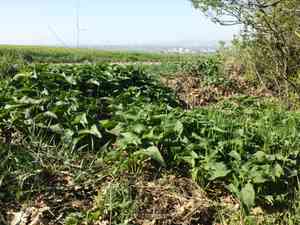
The Tuberous jerusalem sage (Phlomoides tuberosa) is a hardy perennial that can survive frost. This makes it an excellent choice for gardeners in cooler climates. However, even hardy plants need some preparations as the coldest months approach. Ensuring your Tuberous jerusalem sage is well-protected will help it emerge healthy and vibrant in the spring.
Steps to Prepare Tuberous jerusalem sage for Overwintering
When to Start Overwintering Preparations?
Begin preparing your Tuberous jerusalem sage for winter when the temperatures start to drop consistently below 10°C (50°F). This is typically in late fall. Starting early ensures that the plant has sufficient time to adjust to colder conditions.
Pruning and Cleaning the Plant
Pruning is an essential step in winter preparations. Cut back any dead or damaged foliage to prevent disease and promote new growth in the spring. Remove debris from around the base of the plant to discourage pests and fungi. A clean plant is a healthier plant!
Soil and Mulch Considerations
Before the first frost, give your Tuberous jerusalem sage a good watering to keep the soil moist. Cover the base of the plant with a thick layer of organic mulchâabout 5-10 cm (2-4 inches) deep. This insulating layer helps protect the roots from extreme cold and retains soil moisture throughout the winter.
Indoor vs. Outdoor Overwintering: Which is Better?
Indoor Overwintering Techniques
If you live in an area where winter temperatures drop below -10°C (14°F), consider bringing your Tuberous jerusalem sage indoors. Place it near a sunny window, ideally in a room that stays between 10-15°C (50-59°F). Ensure good air circulation to prevent mold and water sparingly, just enough to keep the soil slightly moist.
Outdoor Overwintering Tips
For those in milder climates, Tuberous jerusalem sage can overwinter outdoors. Apply a protective layer of mulch and consider using frost cloths or burlap to cover the plant during particularly harsh spells. Ensure the plant is sheltered from strong winds, which can exacerbate cold damage.
Common Issues in Overwintering and How to Address Them
Dealing with Frost Damage
Despite best efforts, frost damage can sometimes occur. If you notice blackened leaves or stems, trim them away to prevent rot from spreading. Make sure the soil remains well-drained, as waterlogged conditions can worsen frost damage.
Preventing Pests and Diseases
Winter is a time when some pests and diseases can take hold. Regularly inspect your Tuberous jerusalem sage for signs of trouble. Use organic insecticides or fungicides if necessary and ensure the plant is not overwatered, which can lead to root rot and fungal issues.
Monitoring Tuberous jerusalem sage During Winter
Routine Checks and Maintenance
Throughout winter, periodically check your Tuberous jerusalem sage. Look for any signs of stress, such as wilting or discoloration. Ensure the mulch remains in place and that the soil stays slightly moist but not waterlogged.
Adjusting Care Tactics as Needed
Be flexible in your care. If you notice the plant struggling due to indoor dryness or lack of light, consider using a humidity tray or grow light. For outdoor plants, add extra mulch or protective coverings during sudden cold snaps.



