How to Overwinter Blushing philodendron
1
The Blushing philodendron is a delicate plant, unable to withstand freezing temperatures, requiring special attention in colder seasons.
2
Keep humidity levels between 50-60% to ensure your Blushing philodendron thrives throughout the winter period.
3
Slowly acclimating your Blushing philodendron to outdoor environments in spring avoids shock and minimizes stress.
Why Overwinter Blushing philodendron?
Why Overwinter Blushing philodendron?
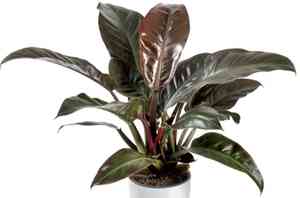
The Blushing philodendron (Philodendron erubescens) is a striking houseplant known for its vibrant, reddish leaves. As a tropical species, it thrives in warm, humid environments, making it susceptible to cold weather, especially frost. Overwintering is crucial to provide the ideal conditions for the plant to survive and flourish during colder periods. By moving the plant indoors and replicating its natural habitat, you can ensure its well-being and continuous development throughout the year.
Preparing Your Blushing philodendron for Winter
Inspecting for Pests and Diseases
Before bringing your Blushing philodendron inside for winter, it's vital to check for any pests or illnesses. Examine the undersides of leaves and stems where insects often hide. Common pests include spider mites, aphids, and mealybugs. Use insecticidal soap or neem oil if any are found. Additionally, look for disease symptoms like yellowing leaves or spots, and treat them promptly to prevent spread to other indoor plants.
Pruning and Cleaning
Pruning your Blushing philodendron not only helps maintain its form but also promotes vigorous growth. Remove any dead or yellowed leaves, as well as any leggy stems. Wiping the leaves with a damp cloth can help remove dust that impedes photosynthesis. Regular pruning and cleaning ensure your plant stays healthy and attractive throughout the winter months.
Repotting if Necessary
If your Blushing philodendron has outgrown its container, winter is an opportune time to repot it. Select a pot that is 2-4 inches (5-10 cm) larger in diameter than the current one to provide ample root space. Use well-draining potting mix, and ensure the new pot has sufficient drainage holes to prevent waterlogging. Repotting allows the plant to continue growing robustly during the winter.
Indoor Care Tips for Overwintering
Optimal Lighting Conditions
The Blushing philodendron thrives in bright, indirect light. During winter, position the plant near a north or east-facing window to utilize the limited sunlight. If natural light is insufficient, consider using a grow light for 12-14 hours daily to supplement the illumination. Avoid direct sunlight, as it can scorch the foliage.
Maintaining Humidity Levels
Tropical plants like the Blushing philodendron require high humidity. Indoor heating can dry the air, so aim to maintain humidity around 50-60%. Use a humidifier or place a water tray near the plant. Grouping plants together can also create a microenvironment with higher humidity. Regular misting of the leaves can help, but avoid overdoing it to prevent fungal issues.
Watering Schedule Adjustments
During winter, your Blushing philodendron's growth rate will slow, and it will require less water. Water the plant only when the top 2 inches (5 cm) of soil feel dry to the touch. Be careful not to overwater, as this can lead to root rot. Ensure that any excess water drains from the pot to prevent the soil from becoming waterlogged.
Temperature Control
The Blushing philodendron prefers temperatures between 65-85°F (18-29°C). Avoid placing the plant near drafty windows or heating vents, as sudden temperature fluctuations can stress the plant. Keep it in a stable environment, and if possible, maintain a temperature range of 70-75°F (21-24°C) for optimal growth.
How to Transition Your Blushing philodendron Back Outdoors
Gradual Reintroduction to Outdoor Conditions
When the risk of frost has passed and temperatures are consistently above 65°F (18°C), you can begin to move your Blushing philodendron back outdoors. Start by placing it in a shaded area for a few hours each day, gradually increasing exposure over 1-2 weeks. This helps the plant acclimate to outdoor conditions without shock.
Monitoring for Stress and Pests
Once your Blushing philodendron is back outside, observe it for signs of stress such as wilting, yellowing leaves, or stunted growth. Also, continue to check for pests, as outdoor conditions can reintroduce insects to your plant. Regular inspections and prompt action can help maintain the health of your Blushing philodendron throughout the growing season.



