How to Overwinter Tuberous sword fern
1
Tuberous sword fern can flourish inside during colder seasons with appropriate attention.
2
The perfect indoor temperature range for Tuberous sword fern is 15°C to 24°C (59°F to 75°F).
3
Steady moisture in the air is vital; target 50%-60% relative humidity.
Understanding the Winter Needs of Tuberous sword fern
Understanding the Needs of Tuberous sword fern in Winter
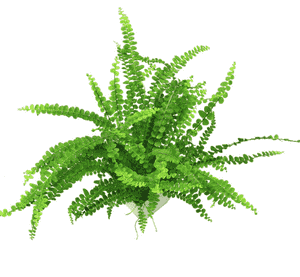
The Tuberous sword fern (Nephrolepis cordifolia) is a vibrant, lush fern somewhat sensitive to frost. To guarantee its survival through winter, comprehending its inherent requirements is vital. This perennial plant historically thrives in warm, humid environments, making it crucial to replicate these conditions during colder months. Originating from tropical and subtropical areas, this fern demands sufficient moisture, warmth, and defense from severe cold to flourish. As winter approaches, these demands intensify, as exposure to low temperatures can cause fronds to brown and potentially lead to plant demise.
Preparing Tuberous sword fern for Overwintering
Inspecting for Pests and Diseases
Before moving your Tuberous sword fern indoors for winter, it's critical to check for pests and diseases. Examine the undersides of leaves and the soil for common pests like spider mites and scale. Remove any affected parts and consider using a gentle insecticidal soap if necessary. Early detection and treatment of these problems can prevent infestations from worsening indoors when the plant is more susceptible.
Trimming and Pruning Tips
Pruning your fern is a vital step as it transitions to an indoor setting. Trim off any dead or yellowing fronds to encourage new growth and maintain a neat appearance. Use sanitized pruning shears to prevent disease spread. Cutting back the outer, older fronds can improve air circulation and lessen the risk of fungal infections.
Indoor Care for Tuberous sword fern
Ideal Indoor Temperature and Humidity
To keep your fern healthy indoors, maintain an ambient temperature between 15°C to 24°C (59°F to 75°F). Ferns naturally thrive in high humidity, so aim for a relative humidity of 50%-60%. Use a humidity tray or room humidifier to achieve this. Placing the plant in a bathroom or kitchen, where humidity tends to be higher, can also be beneficial.
Light Requirements
Tuberous sword ferns prefer indirect, filtered light. Position them near north or east-facing windows to provide ample light without risking leaf burn from direct sunlight. If natural light is insufficient, supplement with fluorescent grow lights to ensure the plant receives the necessary light for effective photosynthesis.
Watering Schedule
Consistent moisture is crucial for Tuberous sword ferns. Water the plant thoroughly, ensuring the entire root system is saturated, then allow the top inch (2.5 cm) of soil to dry before rewatering. Overwatering can lead to root rot, so maintaining a balance is essential. Using a porous soil mix can enhance drainage and prevent waterlogging.
Outdoor Care for Tuberous sword fern
Covering and Insulating the Plant
If you choose to keep your Tuberous sword fern outdoors, protecting it from frost is crucial. Use a breathable frost cloth or blanket to cover the plant on cold nights. Secure the cover with stakes or clips to prevent it from blowing away. Insulating the soil with extra mulch or straw can help retain heat around the plant's roots.
Mulching Techniques
Add a thick layer of mulch, approximately 5-7 cm (2-3 inches), around the fern's base. Mulching with organic material like bark or leaf mold helps insulate the soil and regulate temperature fluctuations. Avoid piling mulch directly against the fern's crown to prevent rot.
Monitoring Tuberous sword fern Throughout Winter
Checking for Signs of Stress
Regularly inspect your fern for signs of stress, such as yellowing fronds, wilting, or browning edges. These symptoms can indicate under or over-watering, pest infestations, or insufficient light. Address issues promptly to prevent long-term damage.
Maintaining Optimal Conditions
Ensure your fern's environment remains stable. Adjust watering and humidity levels as needed, and keep the plant away from drafts, heaters, and other sources of fluctuating temperature. Regularly clean the fronds to remove dust, which can hinder photosynthesis and harbor pests.



