How to Overwinter Heavenly bamboo
1
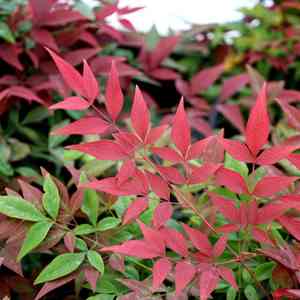
Nandina domestica is resilient and tolerates low temperatures with appropriate care.
2
Applying mulch around the base of Nandina domestica aids in moisture retention and root safeguarding.
3
Employing frost covers offers additional defense against sudden drops in temperature.
Why is Overwintering Heavenly bamboo Important?
Why is Overwintering Heavenly bamboo Important?
As a resilient plant, Heavenly bamboo can endure cold winters, but proper overwintering ensures its health and vibrancy throughout the season. Adequate winter care helps prevent frost damage, promotes root protection, and prepares the plant for robust spring growth. Neglecting winter preparations can result in weakened plants, making them more vulnerable to diseases and pests.
Preparing Heavenly bamboo for Winter
Pruning Tips for Winter Readiness
Begin by trimming any dead or diseased branches. This not only improves air circulation but also prevents the spread of potential illnesses. Cut back any overgrown areas to maintain the plant's shape and encourage vigorous new growth. Always use clean, sharp pruning shears to avoid harming the plant.
Soil Preparation and Mulching
Before the first frost, prepare the soil around your Heavenly bamboo. Ensure the soil drains well to prevent waterlogging during winter. Apply a layer of mulch, approximately 5-10 cm (2-4 inches) thick, around the plant's base. Mulching helps retain soil moisture and provides an insulating layer, protecting the roots from freezing temperatures.
Watering Requirements Before Winter
Water Heavenly bamboo thoroughly in the weeks leading up to winter. The plant needs to be well-hydrated to withstand the dry winter air. However, avoid overwatering, as saturated soil can freeze and damage the roots. Aim for the soil to be moist but not waterlogged.
Protecting Heavenly bamboo from Frost
How to Use Frost Cloths
Frost cloths can be draped over Heavenly bamboo during particularly cold nights to offer additional protection. Secure the cloth with stakes or weights to prevent it from blowing away. Ensure the cloth is removed during the day to allow sunlight to reach the plant.
Creating Windbreaks and Barriers
Wind can intensify the effects of cold on Heavenly bamboo. Create windbreaks using burlap, snow fences, or even a temporary privacy screen. Position these barriers on the windward side of the plant to lessen the impact of cold, drying winds.
Winter Care for Potted Heavenly bamboo
Best Practices for Pot Insulation
Potted Heavenly bamboo plants require extra insulation in winter. Wrap the pot in bubble wrap or burlap, and place it on a piece of styrofoam to prevent cold from seeping in from the ground. Grouping pots together can also provide additional warmth.
Maintaining Proper Hydration
While Heavenly bamboo needs less water in winter, it's crucial to prevent the soil from drying out completely. Check the moisture level regularly and water sparingly, ensuring the soil remains moderately moist.
Indoor Placement Tips
If temperatures drop significantly, consider moving potted Heavenly bamboo indoors. Place the plant in a cool, well-lit area away from drafts and heat sources. An unheated garage or a basement with windows can be an ideal spot.
Monitoring Heavenly bamboo During Winter
Checking for Signs of Stress
Regularly inspect your Heavenly bamboo for any signs of stress such as wilting, discolored leaves, or unusual spots. Catching these signs early allows for timely intervention before the plant suffers severe damage.
Pest and Disease Management
Winter does not eliminate the risk of pests and diseases. Keep an eye out for common issues such as aphids or fungal infections. Use appropriate treatments like insecticidal soap or fungicide to manage these problems effectively.



