How to Overwinter Hardy banana
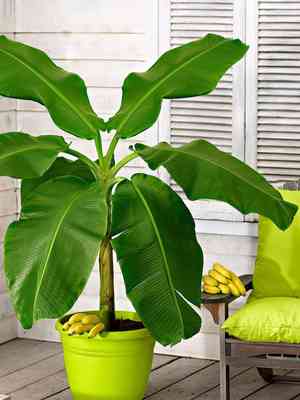
1
Hardy banana plants are some of the most resilient bananas to cold, enduring temperatures down to -10°C (14°F) if cared for correctly.
2
Applying a thick layer of mulch around the base of the Hardy banana provides enhanced protection from low temperatures.
3
Plastic covers and burlap are excellent resources for protecting Hardy banana during winter outdoors.
Why Overwintering Hardy banana Is Essential?
Why Overwintering Hardy banana Is Essential?
The Hardy banana is a remarkable plant that can add a tropical feel to your garden, even in cooler climates. While it's more frost-hardy compared to other banana varieties, it still needs special care during the winter months. Overwintering ensures that your Hardy banana remains healthy and robust, ready to thrive when the warm weather returns. Proper overwintering helps protect the plantâs pseudostem and roots from damage, allowing it to regrow and possibly even bear fruit in the upcoming growing season.
Preparing Hardy banana for Winter
When to Start Preparation
Preparation for overwintering your Hardy banana should begin in mid to late fall, as temperatures start to dip below 10°C (50°F). This timing ensures the plant is properly insulated before the frost sets in. Make sure to watch your local weather forecasts closely to avoid any unexpected early frost.
Necessary Tools and Materials
Hereâs a handy list of tools and materials you'll need to prepare your Hardy banana for winter: Pruning shears Garden gloves Burlap or frost cloth Plastic sheeting Mulch (such as straw or leaves) Stakes and garden twine
Step-by-Step Preparation Guide
Prune: Begin by cutting back the leaves of your Hardy banana to about 2 feet (60 cm). This helps to reduce any water loss and prevents the leaves from being damaged by frost. Insulate: Pile a thick layer of mulch (about 12 inches or 30 cm) around the base of the plant. This insulates the roots and lower stem from cold. Cover: Wrap the remaining pseudostem with burlap or frost cloth for added protection. If you live in an area with extreme winter conditions, you can add an additional layer of plastic sheeting around the burlap to keep moisture out. Secure: Use stakes and garden twine to secure your coverings, ensuring they stay in place even in windy conditions.
Best Methods to Overwinter Hardy banana
Outdoor Overwintering Techniques
Hardy banana plants can survive outdoors in climates where temperatures do not drop below -10°C (14°F). Besides the mulch and covering, you can also build a wire cage around the plant, filled with leaves or straw for extra insulation. Consider adding a final layer of plastic sheeting to keep the moisture at bay.
Indoor Overwintering Techniques
For those in extremely cold climates, it might be best to bring your Hardy banana indoors. Dig up the plant carefully, preserving as much of the root system as possible. Transplant it into a large container with well-draining soil. Place the container in a cool, dark area like a basement where temperatures remain above freezing, ideally around 10°C (50°F). Water sparingly throughout winter, just enough to keep the soil slightly moist.
Monitoring Hardy banana During Winter
Signs of Distress and How to Address Them
Regularly check your Hardy banana for signs of distress, such as fungal growth or wilting of the pseudostem. If you notice any mold or rot, remove the affected areas and improve the insulation and airflow around the plant.
When and How to Resume Regular Care
As winter ends and day temperatures consistently rise above 10°C (50°F), you can start removing the protective coverings. Gradually reduce mulch and check for any new growth. Resume normal watering and feeding schedules as temperatures warm up to allow your Hardy banana to emerge from dormancy and thrive again.



