How to Overwinter Black mulberry
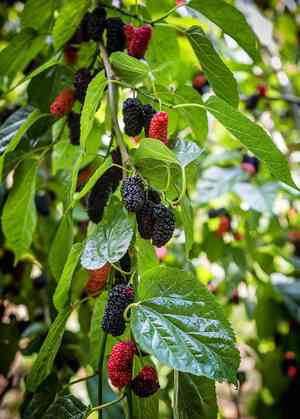
1
Black mulberry trees are prized for their tasty fruit, packed with essential vitamins and minerals.
2
Even though they tolerate frost, young Black mulberry trees need additional attention in colder months.
3
Appropriate winter maintenance can avert as much as 90% of potential cold-weather harm to your Black mulberry tree.
Why is Overwintering Black mulberry Important?
Why is Overwintering Black mulberry Important?
Preparing your Black mulberry for winter is vital for its overall health and yield. Despite their hardiness, Black mulberry trees can suffer winter damage if not properly readied. Appropriate overwintering methods help the tree conserve energy and guard against frost, enabling it to recover strongly in spring. This ensures your tree stays in prime condition, yielding abundant mulberries annually.
What Are the Steps to Prepare Black mulberry for Winter?
Pruning Black mulberry Before Winter
Trimming your Black mulberry is a key part of winter preparation. Remove any dead, diseased, or compromised branches. This helps prevent disease spread and lessens the chance of branches breaking under snow weight. Make clean cuts just above a bud or branch union, and sanitize your pruning tools to avoid contamination.
Mulching to Protect Black mulberry Roots
Apply a thick layer of mulch (around 5-7 cm or 2-3 inches) at the tree's base, extending to its drip line. Mulch acts as an insulating layer, helping to stabilize soil temperature and retain moisture. Use organic materials like straw, wood chips, or compost to enrich the soil with nutrients as they break down.
Watering Black mulberry in Late Fall
Provide your Black mulberry with a thorough watering in late fall, before the ground freezes. This helps the tree remain hydrated throughout the winter months. Aim for about 2.5-5 cm (1-2 inches) of water per week. Proper hydration reduces the risk of winter injury caused by dry conditions.
Creating Windbreaks for Black mulberry
Shield your Black mulberry from harsh winds by installing windbreaks. You can use burlap screens, plastic guards, or even temporary fencing. Position these barriers on the windward side of the tree to lessen wind exposure and minimize moisture loss.
How to Care for Black mulberry During Winter?
Checking for Winter Damage Periodically
Throughout the winter, regularly inspect your Black mulberry tree for signs of damage. Look for broken branches, frost cracks, and evidence of pest activity. Address any issues promptly to prevent further harm.
Protecting Black mulberry from Frost Cracks
Frost cracks can occur with rapid temperature fluctuations. To prevent this, wrap the trunk of your Black mulberry with a tree wrap or use a light-colored trunk guard to reflect sunlight and maintain stable bark temperature. Check the wrap regularly and adjust as needed to ensure a snug fit.
What to Do When Spring Arrives?
Gradually Removing Mulch in Early Spring
As temperatures begin to rise, slowly remove the mulch from around the base of your Black mulberry. This helps warm the soil and encourages new growth. Do this gradually to avoid shocking the roots.
Pruning Dead or Damaged Branches
Inspect your Black mulberry for any branches that did not survive the winter. Prune away any dead or damaged wood to encourage healthy growth. Use clean, sharp pruning tools and make precise cuts to prevent infection.
Feeding and Watering Black mulberry in Spring
Spring is the ideal time to give your Black mulberry a nutritional boost. Apply a balanced fertilizer formulated for fruit trees, following the package instructions. Additionally, resume regular watering, ensuring the tree receives about 2.5-5 cm (1-2 inches) of water weekly, depending on rainfall.



