How to Overwinter Scarlet beebalm
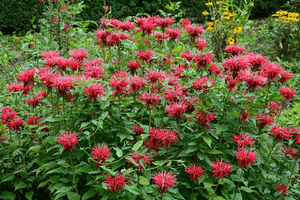
1
Scarlet beebalm tolerates cold well, yet thrives with extra winter care in very harsh environments.
2
Trimming Scarlet beebalm during late autumn promotes robust development in the spring.
3
Applying mulch aids in keeping soil moist and offers protection from low temperatures.
What is Overwintering?
What is Overwintering?
Overwintering refers to the methods and practices employed to help plants endure the winter months. This is particularly vital in colder regions where temperatures drop considerably and can harm or kill plants not properly safeguarded. By overwintering, gardeners ensure their plants can withstand the cold and emerge healthy and robust once spring arrives.
Preparing Scarlet beebalm for Winter
Pruning and Cleaning
Start preparing your Scarlet beebalm for winter by cutting it back in late autumn. Trim stems to approximately 10-15 cm (4-6 inches) from the ground. Removing dead and diseased foliage prevents pests and diseases from surviving winter in plant debris. Also, clear any fallen leaves or debris around the plant's base to lessen the risk of mold and mildew.
Mulching
After pruning and cleaning your Scarlet beebalm, the next step is to apply a layer of mulch. Mulching insulates the soil, helping to maintain a consistent temperature and retain moisture. Use organic mulch, such as straw, shredded leaves, or wood chips, and apply a layer about 5-7.5 cm (2-3 inches) thick around the plant's base. Ensure the mulch does not directly touch the stems, as this can cause rot.
Watering Schedule
Watering is another crucial aspect of readying your Scarlet beebalm for winter. In late fall, give the plant a thorough watering before the ground freezes. This ensures the plant has enough moisture to endure the dry winter air. Once the ground is frozen, significantly reduce watering, as the plant will be dormant and require less water.
Winter Care for Scarlet beebalm
Monitoring Soil Moisture
Throughout winter, it's important to check the soil moisture around your Scarlet beebalm. While dormant, the plant still needs some moisture to prevent roots from drying out. If there's a prolonged period without snow cover or rain, you might need to water the plant sparingly to maintain adequate soil moisture.
Protecting from Extreme Cold
In areas where temperatures fall well below freezing, extra protection may be necessary. Consider using burlap or frost cloth to cover the plant during severe cold spells. This added layer of protection can help prevent frost damage to stems and roots. For additional insulation, place a layer of leaves or straw over the mulch around the plant's base.
Common Questions About Overwintering Scarlet beebalm
What if My Scarlet beebalm Shows Signs of Frost Damage?
If your Scarlet beebalm exhibits signs of frost damage, such as blackened or mushy stems, do not worry. Cut back damaged stems in early spring to allow new growth to emerge. Ensure the plant is well-mulched and protected throughout winter to reduce the risk of further damage.
Can I Overwinter Scarlet beebalm Indoors?
While Scarlet beebalm is generally robust enough to stay outdoors, you can choose to overwinter it indoors if you live in an area with exceptionally harsh winters. Carefully dig up the plant, place it in a pot with well-draining soil, and keep it in a cool, bright location. Water sparingly until it's time to replant outdoors in the spring.



