How to Overwinter Wild mint
1
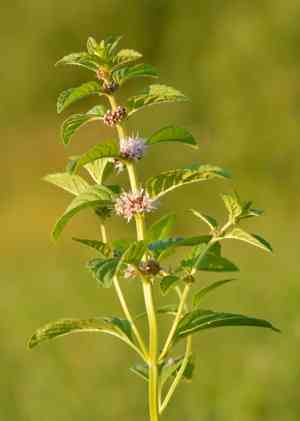
Wild mint is a resilient plant capable of enduring frost and low temperatures when given appropriate attention.
2
Applying mulch can greatly assist in safeguarding Wild mint against severe winter weather.
3
The level of indoor moisture is vital for preserving Wild mint's well-being throughout the winter season.
Is Wild mint Frost Hardy?
Is Wild mint Frost Hardy?
Simply put, Wild mint is quite robust and well-equipped to endure frost and cold weather. As a perennial herb indigenous to various climatic regions, Wild mint has developed a resilience to withstand the lower temperatures often associated with winter. However, despite its tough nature, implementing some preventative measures ensures your mint will flourish once warmer weather returns.
Preparing Wild mint for Winter
Pruning and Cutting Back
Before the onset of winter, it's crucial to prune your Wild mint. Begin by trimming the plants to approximately 8-10 cm (3-4 inches) above the soil. This trimming helps the plant direct its energy towards root development instead of maintaining foliage. It also aids in removing any damaged or diseased sections, thereby lowering the risk of infections.
Mulching for Protection
Mulching offers an excellent method to safeguard your Wild mint throughout the harsh winter season. Apply a thick layer of organic mulch, such as straw or wood chips, around the plant's base. This layer not only provides insulation but also assists in retaining soil moisture. Aim for a 5-8 cm (2-3 inches) thick mulch layer to adequately cover the root zone.
Ideal Indoor Conditions for Wild mint
Choosing the Right Location
If you intend to bring your Wild mint indoors for winter, select a spot with ample natural light. A south-facing window is perfect as it supplies sufficient sunlight to keep the plant healthy. Ensure the temperature remains consistent, ideally between 18-24°C (65-75°F). Avoid placing the plant near heating vents or drafty windows.
Maintaining Humidity Levels
Wild mint prefers moderate to high humidity. Indoor heating systems can dry out the air, so consider using a room humidifier or placing a tray of water near the plant to maintain appropriate moisture levels. Alternatively, regularly misting the leaves can also help keep humidity at an optimal level.
Common Challenges in Overwintering Wild mint
Pest Control
Even during winter, pests like spider mites and aphids can pose a problem for Wild mint. Regularly inspect your plants for any signs of infestation. Using insecticidal soap or neem oil can effectively combat these pests. Be sure to treat both the top and underside of the leaves.
Disease Prevention
Fungal diseases can impact Wild mint during colder months. Ensure good air circulation around your indoor plants to minimize fungal growth. Avoid overhead watering, which can introduce excess moisture to the foliage. If you notice any signs of disease, such as discolored or wilting leaves, promptly remove the affected parts to prevent spreading.



