How to Overwinter Arrowroot
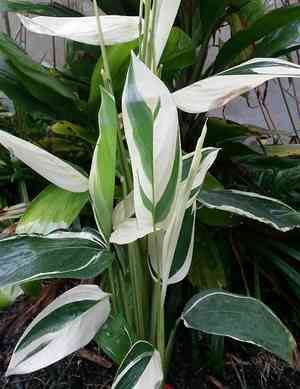
1
Arrowroot is a delicate plant and requires meticulous care during winter to endure cold periods.
2
Arrowroot must be excavated prior to the initial frost to safeguard its rhizomes from harm.
3
Ideal storage temperatures for Arrowroot range from 5°C to 10°C (41°F to 50°F).
What is Overwintering and Why is it Important for Arrowroot?
What is Overwintering and Why is it Important for Arrowroot?
Overwintering is the practice of safeguarding plants from harsh winter weather to ensure their survival and vigor in the subsequent growing season. For delicate plants like Arrowroot, overwintering is crucial as they cannot endure frost. This process involves carefully excavating the plants, storing them under appropriate conditions, and maintaining their health until they can be replanted in spring. Without proper overwintering, Arrowroot may not survive the winter, leading to lost plants and a reduced harvest.
When to Start Preparing Arrowroot for Overwintering?
Recognizing the First Frost Dates
The initial step in readying Arrowroot for overwintering is identifying the first frost dates in your region. This typically marks when temperatures are predicted to fall to 0°C (32°F) or lower. You can find average first frost dates from local weather forecasts or gardening resources. Preparing Arrowroot before the first frost ensures the rhizomes are not harmed by cold temperatures.
Signs Your Arrowroot is Ready for Overwintering
As the growing period concludes, you might observe the foliage of your Arrowroot beginning to decline. This is a natural indication that the plant is entering dormancy and is prepared for overwintering. Look for yellowing leaves and diminished growth as signals that it's time to get your Arrowroot ready for winter storage. Ensuring the plant is in this state before digging it up will help reduce stress and promote a healthy return in the spring.
How to Prepare Arrowroot for Overwintering?
Cutting Back the Foliage
Initiate the overwintering process by trimming the foliage of your Arrowroot plant. Cut the leaves down to approximately 5-10 cm (2-4 inches) above the rhizomes. This helps minimize the risk of disease and simplifies handling the plant. Use clean, sharp pruning shears to make precise cuts and avoid damaging the rhizomes.
Digging Up and Cleaning the Rhizomes
Gently excavate the Arrowroot rhizomes using a garden fork or spade. Be careful to prevent damage to the delicate roots. Once the rhizomes are lifted, shake off excess soil and lightly rinse them with water to remove any remaining dirt. Clean rhizomes are less likely to harbor pests and diseases during storage.
Inspecting for Pests and Diseases
Thoroughly examine the rhizomes for any indications of pests or diseases before storage. Look for any soft, discolored, or damaged sections and remove them with a clean knife. Treat the remaining healthy rhizomes with a fungicide if necessary to prevent fungal infections during storage. Ensuring your rhizomes are healthy before storing them significantly increases their chances of surviving the winter.
What are the Ideal Storage Conditions for Overwintering Arrowroot?
Optimal Temperature and Humidity
Store Arrowroot rhizomes in a cool, dry place with temperatures ranging from 5°C to 10°C (41°F to 50°F). A slightly humid environment is also beneficial to prevent the rhizomes from completely drying out. A basement, garage, or unheated room in your home can serve as an ideal storage area. Maintaining these conditions helps keep the rhizomes dormant and prevents premature sprouting.
Suitable Storage Containers
Utilize breathable containers such as cardboard boxes, paper bags, or wooden crates for storing the rhizomes. Line the containers with dry peat moss, sawdust, or sand to add a layer of protection and help maintain humidity. Arrange the rhizomes in a single layer, ensuring they do not touch each other to prevent the spread of any potential diseases.
Monitoring and Maintenance During Storage
Throughout the winter, regularly check on your Arrowroot rhizomes to ensure they remain healthy. Look for any signs of rot or mold and promptly remove any affected rhizomes. Ensure the storage space stays within the recommended temperature and humidity range, and adjust if needed. Monitoring your rhizomes regularly helps catch any issues early and keeps the rhizomes in good condition until it's time to replant them in the spring.



