How to Overwinter Millot kalanchoe
1
Millot kalanchoe is susceptible to frost damage and requires shelter in colder seasons.
2
This plant flourishes in temperatures ranging from 15-25°C (59-77°F).
3
Adequate soil drainage is vital for maintaining Millot kalanchoe's well-being over winter.
Why Overwinter Your Millot kalanchoe?
Why Overwinter Your Millot kalanchoe?
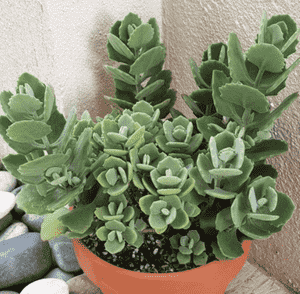
The Millot kalanchoe is a charming succulent recognized for its fuzzy foliage and compact form. Being sensitive to cold, it cannot endure freezing temperatures common in many winter climates. Protecting your Millot kalanchoe through winter guarantees its health and vibrancy during colder periods, allowing it to thrive again in spring. By taking preventative measures, you can shield the plant from winter damage, making it a lasting joy in your garden or indoor setting.
Indoor vs. Outdoor: Where Should You Keep Your Millot kalanchoe?
Bringing Your Millot kalanchoe Indoors
If you opt to move your Millot kalanchoe inside for winter, begin by checking for pests and diseases. Clean the container and trim any dead or diseased parts. Position the plant where it can receive ample indirect sunlight, such as near a south-facing window. Maintain indoor temperatures between 15-25°C (59-77°F), and ensure good air circulation to prevent mold and mildew.
Preparing an Outdoor Space
If keeping your Millot kalanchoe outdoors is the sole choice, you'll need to create a protected environment. Place the plant in a sheltered spot, like against a wall or beneath an overhang. Utilize frost cloths or row covers to protect it during especially cold nights. Additionally, consider constructing a small, temporary greenhouse or employing a cold frame to offer extra insulation against the elements.
Necessary Steps to Overwinter Millot kalanchoe Indoors
Optimal Indoor Conditions
To successfully overwinter your Millot kalanchoe indoors, maintaining the correct conditions is essential. Light is crucial; ensure your plant gets at least 6 hours of bright, indirect light daily. If natural light is insufficient, use a grow light. Water sparingly; the soil should be kept moderately dry, watering only when the top 5 cm (2 inches) of soil is dry. Millot kalanchoe prefers humidity levels between 40-50%, so consider using a humidifier if your home is particularly dry.
Common Indoor Problems and Solutions
Indoor overwintering can sometimes lead to issues such as pest infestations or fungal diseases. Regularly inspect your Millot kalanchoe for symptoms like yellowing leaves, sticky residue, or mold. If pests like spider mites or mealybugs appear, treat them promptly with insecticidal soap. Ensure ample airflow around the plant to prevent mold and mildew; a small fan can help. Avoid overwatering, as soggy soil can lead to root rot.
Necessary Steps to Overwinter Millot kalanchoe Outdoors
Protecting from Frost
To protect your Millot kalanchoe outdoors, cover the plant with frost cloths or horticultural fleece during cold spells. These materials provide a barrier against frost while allowing the plant to breathe. Ensure the coverings are secured and do not touch the plant directly. In extreme cold, add a layer of mulch or straw around the plant's base for extra insulation.
Ensuring Proper Drainage
One of the greatest threats to Millot kalanchoe during winter is poor drainage, which can lead to root rot. Ensure that your plant is in well-draining soil. If necessary, amend the soil with sand or perlite to improve drainage. Ensure the pot has drainage holes, and if the plant is in the ground, consider raising it in a mound or a built-up bed to prevent water from pooling around its roots.
Post-Winter Care for Millot kalanchoe
Transitioning Back to Outdoor Life
As the last frost date approaches, gradually reintroduce your Millot kalanchoe to outdoor conditions. Start by placing the plant outside for a few hours a day in a shaded location and gradually increase the time and light exposure over a couple of weeks. This acclimation process helps the plant adjust to higher light levels and varying temperatures, reducing stress and preventing shock.
Revitalizing Your Plant
After winter, inspect your Millot kalanchoe closely. Prune away any dead or damaged foliage to encourage new growth. Resume regular watering and feeding schedules, and consider repotting if the plant has outgrown its container or if the soil is degraded. Fresh soil will provide necessary nutrients, and a slightly larger pot can support new growth. With proper care, your Millot kalanchoe will bounce back and thrive in the warmer months.



