How to Overwinter Shrimp plant
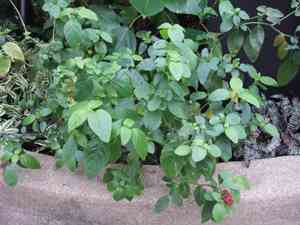
1
The Shrimp plant thrives in warm environments and is susceptible to frost, necessitating particular attention in cooler areas.
2
Winter preparation should begin before temperatures drop to 10°C (50°F).
3
Maintain an indoor temperature of approximately 18-24°C (65-75°F) throughout the winter season.
What is Overwintering for Shrimp plant?
What is Overwintering for Shrimp plant?
Overwintering involves safeguarding your Shrimp plant from harsh winter weather by creating a controlled environment that mimics its natural habitat. This is especially vital for delicate plants like the Shrimp plant, which cannot endure freezing temperatures. By overwintering, you ensure your plant survives the cold season and flourishes in spring.
Preparing Shrimp plant for Winter
When to Start Overwintering
Initiate the overwintering process before the first typical frost in your region. Generally, this means you should begin preparing your Shrimp plant when temperatures consistently drop below 15°C (59°F).
Inspecting for Pests
Prior to moving your Shrimp plant indoors, thoroughly check it for pests such as aphids, spider mites, and whiteflies. If necessary, use insecticidal soap or neem oil to treat any infestations. This helps prevent these pests from spreading to your other indoor plants.
Pruning Instructions
Lightly prune your Shrimp plant to remove any dead or damaged leaves and stems. This not only maintains plant health but also promotes more vigorous growth. Trim the plant back by approximately one-third to make it more manageable for indoor conditions.
How to Move Shrimp plant Indoors
Choosing the Right Location
Select a spot with ample indirect sunlight. An east or west-facing window is ideal. Ensure the area has good air circulation to prevent fungal issues.
Adjusting Light Conditions
The Shrimp plant thrives in bright, indirect light. If natural sunlight is limited, supplement with fluorescent grow lights. Aim for around 12-14 hours of light daily.
Maintaining Ideal Temperature
Keep the ambient temperature between 18-24°C (65-75°F). Avoid placing your Shrimp plant near drafty windows or heating vents, as sudden temperature shifts can stress the plant.
Watering and Humidity Needs
Water the Shrimp plant sparingly during winter, allowing the top 2-3 cm (1-1.5 inches) of soil to dry out between waterings. Maintain a humidity level of at least 50%. Use a humidity tray or mist the plant occasionally to keep the air moist.
Monitoring Shrimp plant During Winter
Checking for Signs of Stress
Observe your Shrimp plant for any indications of stress, such as yellowing leaves or wilting. These symptoms could point to problems with watering, light, or temperature. Take prompt action to adjust conditions as needed.
Adjusting Care Routines
Modify your care routines based on the plantâs requirements. If you notice slowed growth, it might signify the plant entering a dormant phase, requiring less water and no fertilizer. Continue to check for pests and treat accordingly.
Transitioning Shrimp plant Back Outdoors
Timing the Transition
As spring approaches and temperatures begin to stabilize above 15°C (59°F), you can start planning to move your Shrimp plant back outdoors. Avoid rushing; late frosts can still be harmful.
Gradual Acclimatization
Gradually acclimate your Shrimp plant to outdoor conditions over one to two weeks. Begin by placing it outside for a few hours daily, progressively increasing the duration. This helps the plant adjust to the increased light and temperature changes.



