How to Overwinter Hakone grass
1
Hakone grass is resilient and withstands low temperatures, making it suitable for outdoor wintering.
2
Adequate mulching aids in safeguarding the roots and base of Hakone grass through winter.
3
Hakone grass in pots requires additional attention and protection to endure cold conditions.
Grasping Hakone grass Durability
Grasping Hakone grass Durability
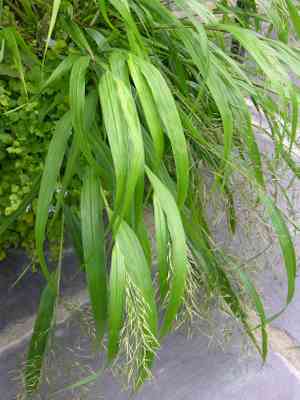
Hakone grass is a perennial known for its abundant, flowing leaves and vivid hues. Originating from Japan's mountainous areas, this grass is inherently robust and can endure low temperatures. For U.S. gardeners, it flourishes in USDA hardiness zones 5 through 9, indicating its considerable resistance to frost and cold winters. Despite its resilience, preparing Hakone grass for winter ensures its continued health and vibrancy annually.
Readying Hakone grass for Winter
When to Begin Preparations
It's crucial to start readying Hakone grass for winter prior to the initial frost. Typically, late autumn (around October or November) is the perfect time to commence. This preparation period allows the plant to toughen up and adapt to the colder climate. Monitor weather forecasts and local climate patterns to pinpoint the optimal starting time.
Trimming and Tidying Up
As part of your winter readiness, trim back the foliage of Hakone grass once it naturally begins to wither. Cut the grass down to approximately 2-3 inches (5-7 cm) above the soil. This trimming aids in preventing disease and pest outbreaks during the dormant winter period. Furthermore, clearing away any fallen leaves and debris around the plant can lessen the chance of fungal infections and create a neater garden area.
Safeguarding Container-Grown Hakone grass
Optimal Insulation Methods
Hakone grass cultivated in containers needs additional attention to survive winter. Insulate the pots by wrapping them in burlap, bubble wrap, or a thermal cover. This insulation helps maintain a consistent root temperature and prevents the soil from freezing solid. Think about positioning the pots near a building or structure for extra warmth and protection from strong winds.
Moving Pots and Containers
For Hakone grass grown in containers, moving the pots to a sheltered spot can be advantageous. Transfer them to an unheated garage, shed, or a covered porch where they will be shielded from direct exposure to winter conditions. Make sure they still receive some sunlight but are protected from freezing temperatures and heavy snow.



