How to Overwinter Gynura divaricata
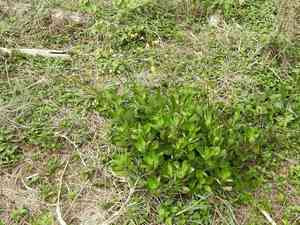
1
Gynura divaricata thrives in ample, filtered light throughout the colder months.
2
Periodically check your Gynura divaricata for insects, even when kept inside.
3
Keep internal temperatures between 18-24°C (65-75°F) to encourage healthy development.
Why Overwinter Gynura divaricata?
Why Overwinter Gynura divaricata?
As a tender plant, Gynura divaricata cannot endure freezing temperatures. Overwintering is crucial to shield it from frost damage and guarantee its longevity. By relocating it indoors, you can replicate suitable growing conditions, enabling the plant to flourish throughout the colder months. This practice not only prevents wilting and leaf shedding but also lessens the risk of diseases and pests that are more prevalent in cold weather. Therefore, overwintering is vital for the health and survival of Gynura divaricata.
Preparing Gynura divaricata for Overwintering
Pruning and Cleaning
Begin by trimming any dead or damaged foliage and any excessively long branches. This step is key for maintaining proper air circulation and minimizing disease risk. Gently clean the leaves with a damp cloth to remove dust and debris, which will enhance the plant's photosynthetic efficiency.
Inspecting for Pests and Diseases
Before bringing your Gynura divaricata inside, it's essential to check it for pests and diseases. Look for aphids, spider mites, or any unusual marks on the leaves. Address any infestations immediately with organic insecticidal soap or neem oil to prevent pests from invading your indoor space.
Adjusting Watering Schedule
Watering requirements change when the plant is moved indoors. Gynura divaricata prefers somewhat dry conditions during winter, so reduce watering frequency. Check the top 2.5 cm (1 inch) of soil for dryness before watering to avoid overwatering, which can lead to root rot.
Optimal Soil and Pot Selection
Repotting into fresh, well-draining soil is beneficial if the current soil is old or compacted. Choose a container that provides ample drainage to prevent waterlogging. Terracotta or clay pots are excellent choices as they allow excess moisture to evaporate, ensuring healthy roots.
Indoor Overwintering Essentials
Choosing the Right Location
Position your Gynura divaricata in a spot with bright, indirect light. East or west-facing windows are ideal. Avoid areas with direct, intense sunlight, which can scorch the leaves.
Maintaining Ideal Temperature and Humidity
Gynura divaricata thrives in temperatures between 18-24°C (65-75°F). Keep it away from drafts, heating vents, and cold windows. Maintain humidity levels around 40-60% by using a humidifier or placing a water tray near the plant.
Providing Adequate Light
During short winter days, supplement natural sunlight with grow lights if needed. Position fluorescent or LED grow lights 15-30 cm (6-12 inches) above the plant to provide sufficient illumination for at least 12-14 hours daily.
Watering and Feeding
Water sparingly and ensure the soil remains just moist enough to prevent wilting. Feeding should be minimal; use a diluted, balanced liquid fertilizer once every month from late fall to early spring.
Common Overwintering Issues and Solutions
Preventing Leaf Drop
Leaf drop can occur due to stress from environmental changes. Maintain consistent care, avoid overwatering, and ensure adequate light to prevent leaf loss.
Avoiding Root Rot
To prevent root rot, ensure good drainage and avoid letting the plant sit in water. Use a well-draining potting mix and pots with drainage holes.
Managing Pests Indoors
Pests can still be an issue indoors. Regularly inspect the plant, and if you notice pest activity, treat it with insecticidal soap or neem oil. Maintaining clean leaves and appropriate humidity levels also helps deter pests.
Reintroducing Gynura divaricata Outdoors
Timing for Reintroduction
Wait until all danger of frost has passed and nighttime temperatures remain above 10°C (50°F) consistently before moving your Gynura divaricata back outdoors.
Gradual Acclimatization Process
Acclimatize the plant gradually by placing it outdoors for a few hours each day, increasing the duration over one to two weeks. This process helps the plant adjust to outdoor light and temperature gradually, reducing stress.
Final Inspections Before Moving
Before moving your Gynura divaricata outdoors permanently, inspect it once more for signs of pests or diseases. Treat any issues promptly to ensure a healthy transition.



