How to Overwinter Velvet plant
1
Velvet plant is a delicate species requiring defense against freezing temperatures.
2
Keep internal temperatures within the range of 18-24°C (65-75°F).
3
Periodically inspect for common pests such as spider mites and aphids.
Why Overwinter Velvet plant?
Why Overwinter Velvet plant?
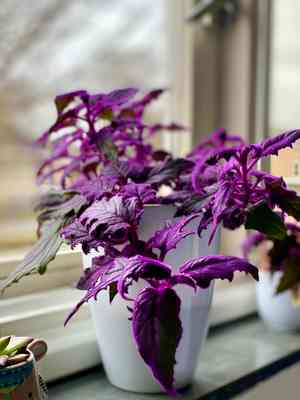
The Velvet plant, known for its vibrant, velvety purple leaves, is a delicate plant. This means it cannot endure frost and will suffer harm if left outside in cold weather. Bringing it indoors for winter ensures your plant survives the colder months and continues to flourish. By moving it inside, you shield it from harsh temperatures and provide a stable environment for its development.
Preparing Velvet plant for Winter
Inspect and Prune the Plant
Before bringing your Velvet plant indoors, thoroughly examine it. Remove any dead or damaged leaves and stems. Pruning helps the plant focus its energy on healthy growth and lessens the risk of disease.
Check for Pests and Diseases
Examine your Velvet plant for common pests such as spider mites and aphids. If you find any, treat the plant with an appropriate pesticide or a mild soap and water solution. Ensuring your plant is pest-free before bringing it inside will prevent infestations from spreading.
Clean the Foliage
Using a damp cloth, gently clean the leaves of your Velvet plant. This removes any dust or pests and allows the plant to efficiently photosynthesize. Clean foliage also enhances the plant's appearance.
Optimal Indoor Conditions for Velvet plant
Light Requirements
Position your Velvet plant in a spot that receives bright, indirect light. Avoid direct sunlight as it can scorch the leaves. A north or east-facing window is generally a good option.
Temperature and Humidity
Maintain indoor temperatures between 18-24°C (65-75°F). Velvet plant prefers high humidity, so consider using a humidifier or placing a tray of water near the plant to increase moisture in the air.
Watering Needs
Water your Velvet plant when the top 2.5-5 cm (1-2 inches) of soil feels dry. Avoid overwatering, as this can lead to root rot. Reduce watering frequency during the winter months when the plant's growth slows down.
Common Problems When Overwintering Velvet plant
Leaf Drop
Leaf drop can occur due to stress or insufficient light. Ensure your Velvet plant gets enough light and avoid drastic temperature changes.
Pest Infestations
Indoor environments can sometimes be conducive to pests. Regularly check your Velvet plant for spider mites, aphids, and other pests. Treat any infestations promptly to prevent them from spreading.
Fungal Diseases
Overwatering or high humidity can lead to fungal diseases like powdery mildew. Ensure good air circulation around your plant and avoid waterlogging.
Transitioning Velvet plant Back Outdoors
Acclimatization
Before moving your Velvet plant back outdoors in the spring, gradually acclimate it to outdoor conditions. Start by placing it in a shaded area for a few hours a day, gradually increasing the duration and amount of sunlight it receives.
Timing the Move
Make the transition after the last frost date in your area. Avoid moving the plant outdoors if temperatures are still consistently below 15°C (59°F).



