How to Overwinter Salal
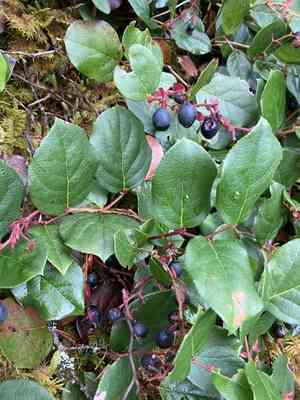
1
Salal tolerates freezing temperatures and is robust, making it a durable plant for winter survival.
2
Trimming and shaping Salal prior to winter can encourage more vigorous growth in spring.
3
Applying mulch around Salal aids in insulating its roots and preserving soil hydration during colder periods.
Why Overwinter Salal?
Why Overwinter Salal?
Winter presents challenges for many plants, but Salal is resilient and can flourish with proper care. By overwintering Salal, you guarantee its health and readiness to flourish once spring arrives. This process safeguards the plant from harsh weather, preserves its vitality, and encourages robust growth for the subsequent season.
Preparing Salal for Winter
Pruning and Trimming
Start by removing any dead, diseased, or damaged branches from your Salal. Pruning not only enhances the plant's appearance but also helps it conserve energy during colder months. Aim to cut back about one-third of the plant's growth, focusing on creating an open, airy structure to reduce mold and mildew risk. Prune in late fall, as the plant enters dormancy.
Mulching Techniques
Mulching is vital for protecting Salal roots from freezing temperatures. Apply a thick layer of organic mulch like wood chips, straw, or leaves around the plant's base, extending to the drip line. This layer acts as an insulating barrier, retaining soil moisture and minimizing temperature fluctuations. Aim for a mulch depth of approximately 5-10 cm (2-4 inches).
Watering Needs
Sufficient watering is crucial before winter arrives. Water Salal thoroughly in the weeks leading up to the first frost, ensuring the soil is moist but not saturated. Proper hydration helps the plant endure drying cold winds and prevents root damage. Significantly reduce watering once the plant is fully dormant, providing just enough moisture to prevent the soil from completely drying out.
Indoor Overwintering for Potted Salal
Ideal Indoor Conditions
If overwintering potted Salal indoors, select a cool, bright spot that mimics its natural outdoor setting. A temperature range of 10-15°C (50-59°F) is optimal. Ensure the plant receives ample indirect light to maintain its health throughout winter. Avoid placing it near drafts or heat sources, as sudden temperature shifts can stress it.
Transitioning Plants Indoors
Moving Salal indoors should be a gradual process to prevent shock. Begin by bringing the plant inside for a few hours daily, gradually increasing its indoor time over one to two weeks. This allows the plant to adapt to indoor conditions. Inspect for pests and clean the plant before bringing it inside to avoid introducing unwanted organisms.
Common Overwintering Problems and Solutions
Pest Control
Wintering plants indoors or outdoors can sometimes attract pests. Regularly check your Salal for signs of insects such as aphids, spider mites, or scale. Use insecticidal soap or neem oil to treat any infestations promptly. Keeping the plant clean and ensuring good air circulation can help prevent pest issues.
Disease Management
Cold, damp conditions can increase the risk of fungal diseases. Watch for symptoms like mold, mildew, or leaf spots on your Salal. Ensure the plant isnât overcrowded and prune to improve air circulation. If you notice any disease, treat it with an appropriate fungicide.
Addressing Waterlogged Soil
Waterlogged soil can lead to root rot, which is harmful to Salal. Ensure your mulching technique balances moisture retention and drainage. Avoid over-watering and ensure potted plants have proper drainage. If the soil becomes too wet, consider repotting your Salal with fresh, well-draining soil to alleviate the problem.



