How to Overwinter Black ash
1
Black ash trees are resilient to cold and can withstand low temperatures, yet they still benefit from winter maintenance.
2
Appropriate mulching aids in preserving soil moisture and warmth throughout the winter months.
3
Inspecting and caring for your Black ash in early spring can prepare it for a thriving growth period.
Understanding Black ash and Its Hardiness
Understanding Black ash and Its Hardiness
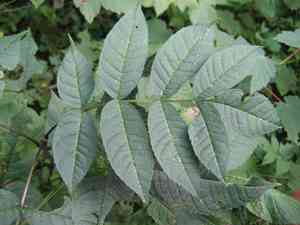
The Black ash (Fraxinus nigra) is a deciduous tree that thrives in wetland environments. Known for its unique bark and compound leaves, this tree is highly valued for its durability and beauty. One of the standout features of the Black ash is its hardiness. It is capable of withstanding harsh winters, but a little extra care can go a long way in ensuring your tree remains healthy and vibrant year after year.
Preparation Steps Before Winter
Assessing Tree Health
Before winter descends, it's crucial to evaluate the health of your Black ash. Look for signs of disease, pest infestations, or any structural damages. Addressing these issues early can prevent them from worsening during the winter months.
Pruning Guidelines
Pruning is essential for maintaining the health and shape of your Black ash. Remove any dead or diseased branches during the fall. This not only enhances the tree's appearance but also reduces the risk of breakage due to heavy snow or ice.
Soil Preparation
A healthy tree starts with healthy soil. Enrich the soil around your Black ash with organic compost. This will provide essential nutrients that the tree can rely on during the dormant winter months. Ensure the soil is well-draining to prevent waterlogging, which can be detrimental during the freeze-thaw cycles of winter.
What Protective Measures Are Needed?
Mulching Techniques
Applying mulch around the base of your Black ash can be highly beneficial. Use organic mulch like wood chips or bark, and spread it evenly in a layer about 5-7 cm (2-3 inches) thick. Mulching helps regulate soil temperature, retains moisture, and prevents weed growth.
Watering Schedule
While Black ash trees are frost-hardy, they still need adequate water before the ground freezes. Ensure the soil remains moist until late fall. Reduce watering as temperatures drop to prevent waterlogged soil, which can freeze and damage the roots.
How to Monitor Black ash During Winter?
Checking for Frost Damage
Regularly inspect your Black ash for signs of frost damage throughout the winter. Look for blackened leaves, cracked bark, or brittle branches. If you notice any issues, address them promptly to prevent further harm.
Adjusting Care as Needed
Be flexible with your care routine. If there's an unseasonably warm period, check soil moisture and water lightly if needed. Conversely, during extreme cold snaps, focus on protecting the tree's base with additional mulch or insulating materials.
Resume Care After Winter Ends
Springtime Inspection
As winter fades, conduct a thorough inspection of your Black ash. Look for any damage that might have occurred and assess the overall health. Remove any fallen debris and check for signs of new growth.
Fertilizing and Watering Tips
Spring is the perfect time to fertilize your Black ash. Use a balanced, slow-release fertilizer to provide essential nutrients throughout the growing season. Resume regular watering, ensuring the soil remains consistently moist but not waterlogged.



