How to Overwinter Carolina elephantsfoot
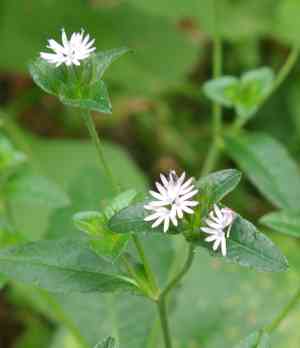
1
Carolina elephantsfoot tolerates frost, yet requires winter attention.
2
Mulch aids in moisture retention and offers additional insulation in colder periods.
3
Steady, yet decreased, winter watering is crucial to avoid root decay.
The Importance of Overwintering Carolina elephantsfoot
Why Overwintering Carolina elephantsfoot Matters?
As temperatures fall and winter arrives, gardeners often worry about their cherished plants surviving harsh conditions. Carolina elephantsfoot, with its attractive leaves and hardiness, can endure frost. However, ensuring it's properly prepared for colder months can significantly impact whether it thrives or struggles. Correct overwintering techniques not only help maintain the plant's vigor but also encourage robust growth in spring. Overwintering is especially vital in areas with unpredictable weather, where sudden frost can compromise the plant's health.
Understanding Carolina elephantsfoot's Frost Hardiness
What Does Frost Hardy Mean for Carolina elephantsfoot?
When a plant is called 'frost hardy,' it means it can survive freezing conditions without major harm. For Carolina elephantsfoot, being frost hardy implies it can withstand cold temperatures, but its tolerance has limits. It's important to know that while the plant can survive frost, extreme or prolonged freezing can still pose a risk. Understanding the plant's cold threshold will help you provide necessary protection during severe weather periods.
Optimal Temperature Ranges
Carolina elephantsfoot thrives best in temperatures between 15°C and 25°C (59°F to 77°F). During winter, it can tolerate temperatures down to -5°C (23°F). However, it's wise to monitor the weather and take protective steps if temperatures are expected to drop below this range. Placing the plant where it's sheltered from strong winds can also greatly improve its winter performance.
Preparing Carolina elephantsfoot for Winter
Garden Cleanup
Begin your winter preparations by tidying your garden. Remove fallen leaves, dead plant material, and any debris around your Carolina elephantsfoot. This not only helps prevent diseases and pests that thrive in decaying matter but also allows you to check the plant and soil for issues before the cold sets in.
Pruning and Trimming
Pruning is crucial for promoting the plant's health and development. For Carolina elephantsfoot, cut back any dead or diseased branches. This will help the plant conserve energy during winter and reduce places for pests to hide. Be careful not to over-prune, as the plant still needs some foliage for photosynthesis to sustain itself through winter.
Soil Preparation
Ensuring the soil is in prime condition is a vital step for overwintering. For Carolina elephantsfoot, the ideal soil is well-drained and rich in organic matter. Adding a layer of compost or organic mulch can improve soil structure and retain moisture. During winter, avoid any fertilization, as new growth encouraged by fertilizer can be more susceptible to winter damage.
Best Practices for Overwintering Carolina elephantsfoot
Mulching Techniques
Mulching is a very effective way to safeguard Carolina elephantsfoot during winter. Apply a thick layer of mulchâabout 5 to 7.5 cm (2 to 3 inches)âaround the plant's base. Use organic mulch like straw, bark, or shredded leaves. This layer helps insulate the roots, retain soil moisture, and prevent temperature fluctuations.
Watering Needs During Winter
Even though Carolina elephantsfoot needs less water in winter, it's essential not to let the soil completely dry out. Water your plant sparingly, ensuring the soil is just moist enough without becoming waterlogged. Overwatering can lead to root rot, especially in colder months when evaporation is minimal. A good practice is to water early in the day so any excess moisture can evaporate before nightfall.
Protective Coverings and Insulation
For extra protection, consider using frost cloths, old blankets, or burlap to cover your Carolina elephantsfoot during extremely cold nights. Make sure the covering doesn't directly touch the leaves to prevent condensation buildup, which can cause freeze damage. Supporting coverings with stakes or frames can create a protective barrier while allowing adequate airflow.
Common Overwintering Issues and Solutions
Pest and Disease Management
Winter doesn't completely deter pests and diseases. Common winter issues include fungal infections due to damp conditions. Regularly check your Carolina elephantsfoot for signs of pests like aphids or spider mites and treat them promptly with appropriate measures such as neem oil or horticultural soaps. Maintaining a clean garden and good airflow can significantly reduce these risks.
Dealing with Frost Damage
Despite your best efforts, sudden frost may harm your Carolina elephantsfoot. If you notice frost damage, prune the affected parts once temperatures stabilize. This will help the plant focus its energy on new, healthy growth. For severe damage, it might be beneficial to dig up the plant and move it to a sheltered location if possible.



