How to Overwinter Paperbush
1
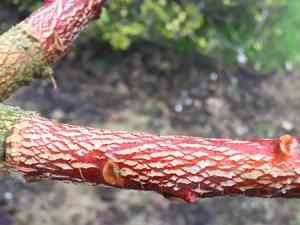
Paperbush tolerates frost and endures low temperatures, yet diligent care remains crucial.
2
Trimming Paperbush prior to winter aids in averting harm from substantial snow and ice.
3
Applying mulch and offering protection can greatly enhance Paperbush's chances of survival through winter.
What is Overwintering?
What is Overwintering?
Overwintering describes the method of getting plants ready to endure the colder months. This involves safeguarding them from low temperatures, frost, and other winter-related stresses. With proper attention, your Paperbush can not only survive but flourish through winter, emerging healthy and robust in spring.
Preparing Paperbush for Winter
Pruning Tips
Trimming your Paperbush prior to winter is vital for its well-being. Removing any dead or damaged branches helps lessen the chance of breakage from heavy snow or ice. Make sure to prune in late autumn, just before the initial frost. Cut back any sprawling branches to maintain a neat form, allowing the plant to focus its energy on root strength rather than excessive foliage.
Soil Preparation
Preparing the ground around your Paperbush can significantly impact its winter survival. Ensure the soil drains well but retains sufficient moisture for the roots. You can achieve this by mixing in organic material like compost or aged manure. Aerating the soil enhances oxygen flow to the roots, promoting better nutrient absorption.
Fertilization
Fertilize your Paperbush in early autumn to provide it with a nutrient boost before winter. Use a balanced fertilizer, following the manufacturerâs directions. This aids the plant in storing essential nutrients, strengthening its resilience against cold weather. Avoid fertilizing late in the season, as new growth can be susceptible to frost damage.
Common Issues When Overwintering Paperbush
Identifying Frost Damage
A frequent problem with wintering Paperbush is frost damage, which appears as blackened or wilted leaves and stems. Frost damage is most common after unexpected cold snaps. Inspect your plant regularly, and if you notice any affected areas, prune them away to prevent the spread of damage.
Preventing Root Rot
Root rot is another common issue during winter, often caused by waterlogged soil. Ensure good drainage by using a well-balanced soil mix and avoid over-watering. If your location is prone to heavy rains, consider planting your Paperbush on a slight elevation or in raised beds to improve drainage.
Protecting Buds
The delicate buds of Paperbush are vulnerable to frost. Covering the plant with a frost cloth during particularly cold nights can protect these buds. Be sure to secure the cloth to prevent it from blowing away, and remove it during the day to allow sunlight and air circulation.
Care Tips During Winter
Watering Requirements
Watering needs for Paperbush decrease considerably in winter. Keep the soil slightly moist, watering just enough to prevent dryness. Over-watering can lead to root rot, especially in cold weather. Water your plant once the top layer of soil feels dry, approximately every 3-4 weeks.
Mulching
Applying a thick layer of mulch around the base of your Paperbush helps insulate the roots and maintain soil moisture. Use organic mulch such as straw, wood chips, or leaves, applying a layer about 5-10 cm (2-4 inches) thick. Mulch also helps prevent soil temperature fluctuations that can stress the plant.
Providing Shelter
Incorporating a simple shelter can protect your Paperbush from the harshest winter elements. This can be as basic as a burlap screen or a more structured cold frame. The goal is to shield the plant from wind and freezing rain while allowing enough airflow to prevent mold and mildew.



