How to Overwinter Sticky monkey-flower
1
Sticky monkey-flower is resilient to frost, yet still needs some safeguarding in very cold conditions.
2
Applying mulch is vital for retaining soil dampness and shielding the plant's root system in colder months.
3
Modifying the irrigation routine is essential to avoid excessive watering and the decay of roots.
Understanding Sticky monkey-flower Frost Hardiness
Understanding Sticky monkey-flower Frost Hardiness
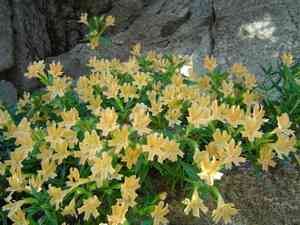
The Sticky monkey-flower (Diplacus aurantiacus) is recognized for its vibrant orange blooms and ability to withstand various conditions. This robust perennial can endure some freezing temperatures, making it a versatile addition to your garden. However, it's crucial to comprehend its frost tolerance limits. While it can survive mild frost, temperatures falling below -6°C (20°F) can be harmful. Therefore, providing some winter protection ensures its vitality in spring.
Preparing Your Sticky monkey-flower for Winter
Pruning and Trimming Needs
Before the onset of winter, trim the Sticky monkey-flower to remove any dead or diseased stems. This not only shapes the plant but also promotes vigorous growth in the spring. Cut back the branches by approximately one-third, focusing on the oldest and least healthy sections. Avoid excessive pruning, as this can subject the plant to increased stress.
Soil and Mulching Tips
Proper soil preparation is vital for winter survival. Ensure the soil drains well to prevent waterlogging, which can damage the roots. Applying a layer of mulchâaround 5-7.5 cm (2-3 inches)âhelps insulate the roots and maintain soil moisture. Organic materials like straw or wood chips are ideal, as they decompose and enrich the soil.
Watering Schedule Adjustments
Watering requirements change considerably as temperatures drop. Decrease the frequency of irrigation to prevent the soil from becoming overly saturated. The soil should remain damp but not waterlogged. Typically, watering once every two weeks is sufficient during winter. Always check the soil moisture before watering to avoid root rot.
Creating the Right Environment for Overwintering
Temperature Control
Although Sticky monkey-flower is frost-hardy, extreme cold can be detrimental. If you reside in an area prone to severe winters, consider utilizing frost cloths or protective coverings during cold spells. Relocate potted plants to a more sheltered spot, such as a garage or greenhouse, where temperatures remain more consistent.
Humidity Requirements
Winter air tends to be drier, which can stress your plant. Maintain moderate humidity levels by occasionally misting the plant or placing a humidifier nearby. However, ensure good air circulation to prevent fungal issues. Avoid positioning the plant too close to heating vents, as this can lead to rapid moisture loss.
Common Problems and Solutions During Overwintering
How to Prevent Frost Damage
To prevent frost damage, employ protective measures like frost blankets or cloches. These should be applied at night and removed during the day to allow sunlight and air circulation. Mulching and well-drained soil also reduce the risk of frost damage by keeping the roots protected.
Identifying and Treating Winter Pests
Winter pests, such as aphids and spider mites, can still affect your Sticky monkey-flower. Regularly inspect the plant and use insecticidal soap or neem oil to treat infestations. Keeping the plant area clean and free of debris also helps in minimizing pest problems.
Managing Overwatering Issues
Overwatering is a common problem in winter, leading to root rot. Ensure your plant has proper drainage, and always check soil moisture levels before watering. If the soil feels moist, it's better to wait a few more days before watering again. Adjust your watering schedule based on the indoor humidity levels and the plant's needs.
Reviving Sticky monkey-flower After Winter
Gradually Reintroducing Outdoor Conditions
As spring approaches, slowly reintroduce your Sticky monkey-flower to outdoor conditions. Begin by placing it outside for a few hours daily, increasing the exposure gradually over two weeks. This hardens the plant and prevents shock.
Post-Winter Pruning and Care
After the risk of frost has passed, prune any damaged or dead branches to encourage new growth. Resume a regular watering and feeding schedule, using a balanced fertilizer every four to six weeks. Ensuring the plant gets ample sunlight will help it bounce back quickly.



