How to Overwinter Venus flytrap
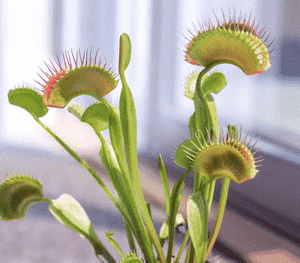
1
The Venus flytrap benefits from a natural rest period in winter for optimal health and strength.
2
Checking your Venus flytrap for insects regularly before winter helps avoid later health problems.
3
Ensuring proper humidity and warmth when keeping your Venus flytrap indoors over winter is vital for its survival.
The Significance of Overwintering for Venus flytrap
The Significance of Overwintering for Venus flytrap
Overwintering is a crucial process for ensuring the well-being and longevity of your Venus flytrap. Originating from the subtropical wetlands of the Carolinas in the USA, Venus flytrap naturally undergoes a dormant phase during the colder months. This period of dormancy is vital for the plant to accumulate energy and prepare for the subsequent growth season. Without an adequate winter rest, a Venus flytrap can become feeble and prone to illnesses.
Preparing Your Venus flytrap for the Cold Season
Check for Pests and Diseases
Prior to moving your Venus flytrap into its winter dormancy, thoroughly inspect it for any indications of pests or diseases. Examine the foliage and soil, looking for common invaders such as aphids or spider mites. If detected, treat them with a suitable pesticide or insecticidal soap to avert any health issues during the dormant period.
Adjust Watering Habits
Watering requirements change as your Venus flytrap gets ready for winter. Reduce the frequency of irrigation since the plant's growth slows, and it consumes less water. Ensure the substrate remains slightly damp but not waterlogged, as excessive moisture can lead to root rot. Typically, watering once every 2-4 weeks (1-2 inches or 2.5-5 cm of water) will be sufficient.
Modify Sunlight Exposure
As your Venus flytrap enters dormancy, it needs less sunlight. Gradually decrease the amount of direct sunlight it receives by relocating it to a less illuminated spot. Ideally, the plant should still get about 4 hours of indirect sunlight daily to maintain its health during winter.
Indoor Overwintering Advice for Venus flytrap
Establishing the Correct Temperature
For indoor overwintering, maintaining the temperature between 35°F and 50°F (1.6°C to 10°C) mimics the natural cold temperatures the Venus flytrap would encounter in its native habitat. A cool basement, unheated room, or even a refrigerator can serve as appropriate locations to overwinter your plant indoors.
Ensuring Appropriate Humidity Levels
Venus flytrap prefers a moist environment even in winter. Keep the humidity elevated by placing a humidity tray beneath the plant or utilizing a humidifier. Aim for a humidity level of approximately 50-70%.
Utilizing Artificial Illumination
If natural light is insufficient, consider employing grow lights to provide your Venus flytrap with the necessary illumination. Set the lights for about 4-6 hours a day to simulate the shorter daylight hours of winter.
Outdoor Overwintering Methods for Venus flytrap
Mulching for Protection
For those who keep their Venus flytrap outdoors, mulching is crucial to safeguard the plant's roots from freezing temperatures. Use pine needles or straw to cover the base of the plant, ensuring a layer of about 2-4 inches (5-10 cm) thick.
Selecting the Ideal Location
Choose a sheltered spot for your Venus flytrap to overwinter outside. A location that is protected from strong winds and receives indirect sunlight is perfect. Consider positioning the plant against a wall or under a canopy.
Wind and Frost Shielding
Protect your Venus flytrap from harsh winds and frost by using a garden cloth or frost blanket. This extra protection helps prevent damage to the plant's delicate leaves and traps.



