How to Overwinter Dendrobium Noble
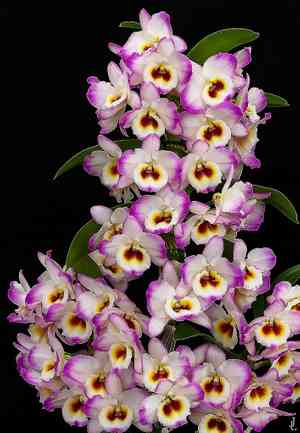
1
Dendrobium Noble orchids are somewhat delicate, requiring shelter from frost and freezing conditions.
2
Strive to keep indoor temperatures between 10°C-15°C (50°F-59°F) for ideal winter dormancy.
3
Light exposure should be lessened in winter, but target 10-12 hours of filtered daylight each day.
The Importance of Overwintering Dendrobium Noble
The Importance of Overwintering Dendrobium Noble
Overwintering your Dendrobium Noble guarantees its survival through colder periods by providing a controlled setting that mimics its natural environment. As Dendrobium Noble is a semi-hardy plant, it cannot endure frost or prolonged exposure to freezing temperatures. Proper winter care is vital to maintain its health, support new growth in spring, and encourage blooming.
Preparing Dendrobium Noble for Winter
Assessing Plant Health
Before relocating your Dendrobium Noble to its winter spot, thoroughly check it for any indications of disease or pests. Look for yellowing foliage, soft roots, or unusual spots that might signal a problem. Addressing these concerns beforehand will give your plant a healthier start to its dormant phase.
Cleaning and Trimming
Gently clean the leaves with a soft cloth and lukewarm water to remove dust and debris. Prune any dead or damaged leaves and stems using sterilized scissors to prevent disease spread. This helps your plant focus its energy on healthy parts during the winter.
Selecting the Optimal Winter Location
Indoor versus Outdoor
Dendrobium Noble orchids should be overwintered indoors due to their sensitivity to cold. An unheated room, greenhouse, or any indoor area that remains cool but frost-free is ideal. Outdoor overwintering is generally not advised unless you reside in a very mild climate.
Light and Temperature Requirements
Position your Dendrobium Noble in a spot that receives indirect sunlight for approximately 10-12 hours daily. Maintain the temperature between 10°C-15°C (50°F-59°F). Avoid placing it near heat sources or drafts, as sudden temperature fluctuations can harm the plant.
Common Winter Care Issues and Solutions
Managing Pests
Pests such as spider mites and fungus gnats can be an issue even in winter. Regularly inspect your Dendrobium Noble and use organic insecticidal soap to treat infestations promptly. Maintaining appropriate humidity levels while ensuring good air circulation can help prevent these problems.
Preventing Root Rot
Root rot is a frequent problem caused by overwatering. Ensure you use a well-draining potting mix and pots with adequate drainage holes. Allow the mix to dry out slightly between waterings. If you notice any soft or discolored roots, trim them off and repot the plant in fresh mix.



