How to Overwinter Umbrella Sedge
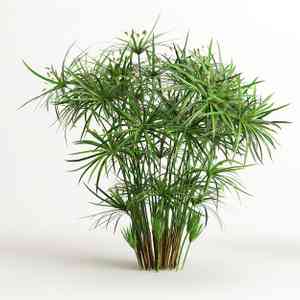
1
Maintain steady soil dampness by balancing irrigation and atmospheric moisture.
2
Umbrella Sedge tolerates frost but still benefits from extra safeguarding during very cold spells.
3
Apply organic mulch to insulate the plant's root system in winter for best care.
What is Overwintering?
What is Overwintering?
Overwintering refers to the practice of safeguarding plants through the cold winter period to ensure their survival and vigorous growth once the active season returns. For Umbrella Sedge, a resilient plant often found in wet and boggy areas, this involves specific measures to protect it from severe frost and cold, particularly in regions with harsh winters.
Why Overwinter Umbrella Sedge?
Why Overwinter Umbrella Sedge?
Umbrella Sedge is prized for its attractive and abundant foliage, making it a lovely addition to both gardens and indoor settings. Overwintering helps guarantee the plant maintains its vigor and is prepared for regrowth in spring. By providing essential winter care, you can prevent damage from cold stress, preserve its health, and encourage strong development in the upcoming year.
Preparing Umbrella Sedge for Winter
When to Start Preparation
Initiate winter preparations for your Umbrella Sedge as soon as temperatures consistently fall below 10°C (50°F). This transitional phase is vital for adapting the plant to indoor environments or implementing outdoor protective measures.
Necessary Tools and Materials
You will require several items for effective overwintering, including pruning shears for trimming, garden gloves, organic mulch for insulation, breathable fabric covers for frost defense, and a humidifier if the plant is moved indoors.
Pruning and Cleaning the Plant
Before relocating your Umbrella Sedge, remove any dead or yellowed leaves. Cleaning the plant helps reduce pest and disease issues during the colder months. Trim back overly long stems to encourage more manageable growth and improved air circulation.
Best Practices for Indoor Overwintering
Choosing the Right Indoor Location
Select an indoor spot that provides bright, indirect light, as Umbrella Sedge thrives with consistent illumination. Avoid placing it near drafty windows or doors to prevent cold air currents. A south-facing window is generally ideal.
Watering and Humidity Control
Although Umbrella Sedge prefers moist soil, it's crucial to prevent waterlogging. Water the plant enough to keep the soil damp, but ensure proper drainage to avoid root rot. Consider using a humidifier to maintain indoor humidity levels around 50-60%, or place a water tray nearby.
Light and Temperature Requirements
Maintain daytime temperatures between 18-24°C (65-75°F) and slightly cooler nighttime temperatures. Umbrella Sedge prefers stable conditions, so prevent sudden temperature shifts. A grow light can be beneficial when natural light is scarce during winter.
Overwintering Umbrella Sedge in Outdoor Conditions
Mulching and Insulation
Cover the plant's base with a thick layer of organic mulch, such as straw or shredded bark, to insulate the roots from freezing temperatures. Aim for a mulch layer approximately 5-10 cm (2-4 inches) deep.
Wind Protection
Erect a wind barrier using burlap or fabric covers to shield the plant from harsh, drying winter winds. This can significantly reduce the risk of windburn and dehydration.
Monitoring Weather Conditions
Closely observe weather forecasts. If extreme cold is predicted, consider covering the plant with a breathable fabric for additional frost protection. Regularly check that the covering is secure and adjust as needed.
Common Issues During Overwintering
Pest and Disease Management
Regularly inspect your Umbrella Sedge for signs of pests like aphids or spider mites. Use insecticidal soap or neem oil to treat infestations promptly. Fungal infections can also occur if the plant is kept too wet; ensure you follow correct watering guidelines.
Managing Overwatering or Underwatering
Balance is crucial for winter watering. Excessive water can lead to root rot, while insufficient water can cause the plant to dry out. Check soil moisture frequently and water when the top 2-3 cm (1 inch) of soil feels dry. Always use pots with drainage holes if growing indoors.



