How to Overwinter Bear's paw
1
Bear's paw is susceptible to frost and requires protection from cold conditions.
2
Keep indoor temperatures between 15°C and 21°C (59°F and 70°F) throughout the winter season.
3
Lessen watering frequency during colder months to prevent root decay.
Understanding Bear's paw Frost Sensitivity
Understanding Bear's paw Frost Sensitivity
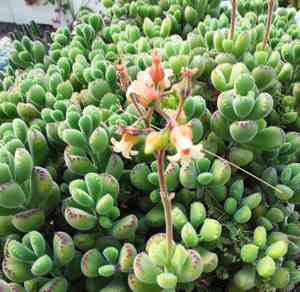
Bear's paw (Cotyledon tomentosa) is a charming succulent recognized for its soft, paw-shaped foliage. Yet, its appealing look hides its susceptibility to cold. Originating from the warmer regions of South Africa, Bear's paw is sensitive to frost, meaning it cannot endure freezing temperatures and requires careful winter protection in colder climates. In areas where temperatures fall below 10°C (50°F), bringing the Bear's paw indoors is crucial for its survival.
Preparing Bear's paw for Overwintering
Inspecting and Cleaning the Plant
Before relocating Bear's paw indoors, thoroughly examine the plant for any indications of pests or diseases. Check beneath leaves and around the plant's base. Clean the plant by gently wiping the leaves with a damp cloth to remove dust and potential pests. This ensures you're not introducing any unwanted organisms indoors.
Pruning and Removing Damaged Leaves
Trim any dead or damaged leaves to promote healthy development. Use clean, sharp shears to make precise cuts and avoid harming the plant. Eliminating unhealthy parts can also help reduce the risk of disease when the plant is kept indoors.
Choosing the Right Indoor Location
Ideal Temperature and Humidity Levels
Bear's paw thrives in temperatures between 15°C and 21°C (59°F and 70°F). Avoid positioning the plant near drafts or heating vents, as temperature fluctuations can stress the plant. Humidity levels should be moderate, around 40-50%. If the air is too dry, consider using a humidifier to maintain the necessary humidity levels.
Ensuring Adequate Sunlight
Place Bear's paw near a south-facing window where it can receive ample indirect sunlight. If natural light is limited, supplement with grow lights to provide at least 6 hours of light daily. Avoid direct intense sunlight as it can scorch the leaves.
Watering and Feeding During Winter
Adjusting Watering Frequency
Bear's paw requires less water during winter. Water the plant sparingly, allowing the soil to dry out completely between waterings. Overwatering in winter can lead to root rot. Aim for watering every 3-4 weeks, but always check the soil moisture before watering.
Fertilizing the Bear's paw
Bear's paw's growth slows down in winter, so feeding is not typically necessary. However, if you notice the plant appearing somewhat weak, you can use a diluted, balanced fertilizer once during the winter months to provide a gentle boost.
Monitoring for Pests and Diseases
Common Pests in Indoor Settings
Indoors, Bear's paw may attract pests like spider mites, mealybugs, and aphids. Regularly inspect the plant for these pests and treat promptly with insecticidal soap or neem oil. Keeping the plant clean and dust-free can also reduce pest problems.
Keeping an Eye on Fungal Infections
Fungal infections can be problematic if the humidity is too high or if the plant is overwatered. Look out for mold or mildew on the soil surface and leaves. Ensure proper air circulation around the plant to minimize the risk of fungal infections.
How to Transition Bear's paw Back Outdoors
Gradual Exposure to Outdoor Conditions
When spring returns and temperatures are consistently above 10°C (50°F), start transitioning Bear's paw back outdoors. Gradually move the plant to a shaded outdoor spot for a few hours each day, slowly increasing exposure to direct sunlight to acclimate the plant.
Re-establishing Regular Care Routine
Once the plant is fully acclimated to outdoor conditions, return to your regular care routine. Increase watering frequency and resume regular feeding to support new growth. Continuously monitor for pests and ensure the plant is thriving in its outdoor location.



