How to Overwinter Rose glory bower
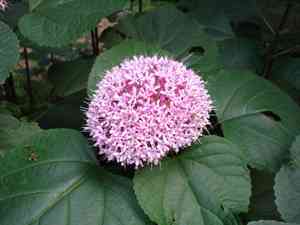
1
Rose glory bower is resilient and tolerates minor frosts, but requires safeguarding during harsh winter weather.
2
Trim Rose glory bower in late autumn to eliminate any dead or unhealthy sections.
3
Check soil dampness frequently throughout winter to prevent root decay or desiccation.
Why Overwinter Rose glory bower?
Why Overwinter Rose glory bower?
Overwintering Rose glory bower is crucial for preserving its beauty and vitality through harsh winter conditions. Despite its frost tolerance, this plant greatly benefits from additional care during colder months. Proper overwintering ensures abundant spring blooms, offering vibrant and fragrant flowers. This guide will detail the steps needed to shield your Rose glory bower from winter damage and guarantee its healthy growth cycle year after year.
Preparations Before Winter
When to Start Preparing
Begin preparing your Rose glory bower for winter as soon as autumn commences. This typically means starting preparations in late September or early October, depending on your local climate. The aim is to be ready before the initial hard frost arrives, which could otherwise catch you off guard and cause irreversible plant damage.
Inspecting Plant Health
Prior to winterizing, dedicate ample time to examine the overall health of your Rose glory bower. Look for any indications of disease or pest infestations. Dead or unhealthy plant sections should be addressed promptly to prevent these issues from persisting into spring. Healthy plants naturally handle cold weather better.
Pruning and Cleaning
A vital step in readying Rose glory bower for winter involves pruning and cleaning. Trim the plant by removing dead or diseased branches, which helps redirect the plant's energy to its healthier parts. Clear the area around the plant of fallen leaves and debris that could harbor pests or diseases. This tidiness is essential for preventing potential problems during the winter months.
Soil and Mulch Adjustment
Adjust the soil and mulch surrounding your Rose glory bower as winter approaches. Enrich the soil with organic matter to maintain its structure and fertility. Applying a 5-10 cm (2-4 inches) layer of mulch (such as straw or shredded leaves) around the base helps insulate the roots from temperature shifts and retains moisture.
Protecting Rose glory bower from Frost
Using Mulch for Insulation
An effective method to safeguard your Rose glory bower from frost is to apply mulch. Mulch serves as an insulating layer that helps maintain a consistent soil temperature and prevents root freezing. Spread a thick layer of mulchâapproximately 10-15 cm (4-6 inches)âaround the plant's base to provide an additional level of protection.
Covering Plants for Extra Protection
For added protection, especially during extremely cold nights, consider covering your Rose glory bower with burlap, frost cloths, or old blankets. This covering acts as a barrier against frost damage. Ensure the cover is securely fastened around the base to prevent it from being dislodged by strong winter winds.
Maintaining Rose glory bower During Winter
Monitoring Temperature and Moisture
Throughout winter, consistently monitor the temperature and moisture levels around your Rose glory bower. While mulching aids insulation, extremely low temperatures can still impact the plant. Additionally, avoid overwatering but ensure the soil remains dampâexcessive water can lead to root rot, while too little can cause dehydration.
Fertilization Tips
Fertilization is generally not necessary during winter as the plant is in a dormant state. Over-fertilizing can result in a buildup of salts in the soil, potentially harming the roots. Instead, focus on supplying your Rose glory bower with the nutrients it requires during its active growing seasons in spring and summer.
Pest and Disease Management
Even in winter, pests and diseases can pose a threat to your Rose glory bower. Regularly check for signs of pests like aphids or spider mites. If you notice any issues, treat them immediately with appropriate methods such as insecticidal soap or neem oil. Disease prevention is also crucial; ensure good air circulation around the plant and avoid waterlogging the soil to prevent fungal infections.
How to Prepare Rose glory bower for Spring
Removing Winter Protection
As temperatures begin to rise in early spring, gradually remove the winter protection materials from your Rose glory bower. Start by taking off covers during the day and replacing them at night if frost threats persist. This gradual process helps the plant adapt to changing conditions.
Inspecting for Winter Damage
Once winter coverings are removed, thoroughly inspect your Rose glory bower for any winter damage. Look for broken branches, frostbite, or signs of disease. Prune any damaged parts immediately to encourage healthy new growth.
Gradual Exposure to Sunlight
After a winter with potentially reduced sunlight, your Rose glory bower will need to re-adjust gradually. Begin by exposing the plant to sunlight for brief periods and progressively increase the exposure time. This gradual reintroduction helps the plant acclimate without experiencing sunburn or stress.



