How to Overwinter Sorrelvine
1
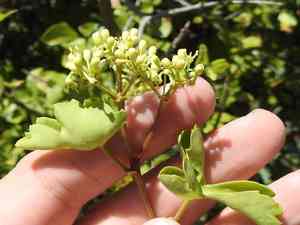
Sorrelvine tolerates cold well, indicating its resilience to lower temperatures compared to numerous other plants.
2
Applying a substantial layer of mulch (approximately 5-7.5 cm / 2-3 inches) can aid in protecting Sorrelvine roots over winter.
3
Periodically inspect for pest infestations, even during colder months, as pests can still endanger your Sorrelvine.
Understanding Sorrelvine Frost Hardiness
Understanding Sorrelvine Frost Hardiness
A primary step for successfully overwintering Sorrelvine involves comprehending its frost tolerance. Sorrelvine is recognized for its ability to withstand cold, making it an excellent choice for outdoor gardens in cooler regions. However, despite its robust nature, careful measures are still necessary to ensure your plant thrives through the colder months. Sorrelvine can endure temperatures as low as -6.7°C (20°F), but extended exposure to frost without protection can still cause harm. This knowledge helps you determine the level of protection your plant will require.
Preparing Sorrelvine for Winter
When to Start Preparation
Timing is vital when getting your Sorrelvine ready for winter. Begin preparations as autumn approaches and temperatures begin to fall, typically around October. Early readiness ensures your plant isn't caught off guard by unexpected early frosts.
Pruning Tips for Winter
Trimming your Sorrelvine before winter arrives can help it conserve energy and maintain health. Remove any dead or damaged stems, which can become vulnerable to frost damage. Pruning also enhances air circulation, lowering the risk of fungal infections. Aim to prune in late fall, removing about one-third of the plantâs growth to preserve its form and vitality.
Cleaning and Maintenance
Cleaning around your Sorrelvine is as important as pruning. Clear away any fallen leaves or plant debris that could harbor pests or diseases. Cleaning improves the plant's overall well-being and better prepares it for the colder period. Additionally, a thorough cleaning can help you detect any signs of diseases or infestations early on.
How to Provide Adequate Protection?
Mulching to Insulate Roots
Applying mulch around the base of your Sorrelvine can serve as an insulating layer, safeguarding the roots from extreme temperature shifts. Utilize organic materials such as straw, wood chips, or leaves, and apply a layer approximately 5-7.5 cm (2-3 inches) thick. This will help retain soil moisture and maintain a more consistent temperature.
Using Row Covers or Sheets
For an additional layer of defense, consider employing row covers or garden sheets. These materials can shield the plant from frost, especially during unexpectedly cold nights. Ensure the covers are securely fastened around the plant, but allow some space for air circulation to prevent moisture accumulation.
Watering and Fertilizing Sorrelvine During Winter
Watering Schedule Adjustments
During winter, your Sorrelvine will need less frequent watering. Excessive watering can lead to root rot due to slower evaporation rates in colder months. Water your plant only when the top 2.5-5 cm (1-2 inches) of soil feels dry to the touch. Ensure the soil is well-drained to prevent water from collecting around the roots.
Winter Fertilization Needs
Fertilizing Sorrelvine during winter should be done sparingly. The plant's growth rate slows, meaning it requires fewer nutrients. Opt for a balanced, slow-release fertilizer applied lightly to avoid overfeeding, which can stress the plant. A single application in early winter should be sufficient.
Monitoring Sorrelvine Through the Winter
Identifying Signs of Distress
Regularly observing your Sorrelvine throughout winter is essential. Look for indicators of trouble such as wilting, yellowing foliage, or black spots, which could signal frost damage or disease. Early detection allows for prompt corrective actions.
Taking Action Against Pests
Pest activity can still be a concern during winter. Inspect your Sorrelvine for any signs of pest infestations, such as spider mites or aphids. Employ appropriate pest control methods, like insecticidal soap or neem oil, to manage infestations and keep your plant healthy.



