How to Overwinter Night-blooming jasmine
1
Night-blooming jasmine is susceptible to frost and requires indoor protection in winter.
2
Consistent trimming and tidying contribute to Night-blooming jasmine's well-being while overwintering.
3
Adequate light, warmth, and moisture are vital for Night-blooming jasmine's indoor thriving.
Why Overwinter Night-blooming jasmine?
Why Overwinter Night-blooming jasmine?
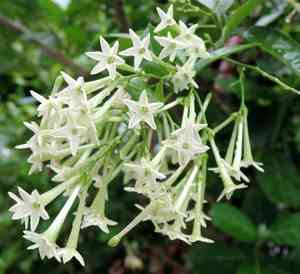
Night-blooming jasmine, celebrated for its aromatic, nocturnal blossoms, enhances any garden or indoor setting. However, this species is sensitive to frost, meaning it cannot endure harsh winter conditions. Protecting your Night-blooming jasmine through winter is crucial to shield it from cold damage, maintain its vitality, and ensure abundant flowering in subsequent seasons. By moving it indoors and adhering to specific care guidelines, you can enjoy the delightful fragrance and lush foliage that Night-blooming jasmine provides, all year long.
How to Prepare Night-blooming jasmine for Overwintering?
Pruning
Begin by trimming your Night-blooming jasmine. Cut back any elongated stems and remove dead or damaged leaves. Aim for a compact form, which simplifies indoor management. Proper pruning not only reduces the plant's size but also stimulates new growth.
Cleaning
Prior to bringing your plant inside, thoroughly clean it. Wipe the leaves with a damp cloth to remove dust and any other outdoor debris. Cleaning helps prevent the transfer of pests and diseases that can affect indoor plants.
Inspecting for Pests
Examine your Night-blooming jasmine carefully for pests. Check both sides of the leaves, stems, and soil for any signs of infestation. Common pests include aphids, spider mites, and whiteflies. If found, treat with an appropriate pesticide or insecticidal soap.
Best Indoor Conditions for Night-blooming jasmine Overwintering
Lighting
Night-blooming jasmine needs bright, indirect light to flourish indoors. Position it near a south-facing window where it can receive ample illumination without direct sun exposure, which can scorch its foliage.
Temperature
Maintain a consistent temperature between 15-24°C (59-75°F). Avoid placing your Night-blooming jasmine near drafts, heating units, or air conditioning vents, as temperature fluctuations can stress the plant.
Humidity
Night-blooming jasmine prefers a moist environment. Use a humidity tray or an indoor humidifier to keep humidity levels around 50-60%. Regular misting can also help maintain adequate moisture around the plant.
Watering
Water your Night-blooming jasmine sparingly during winter. Allow the top 2-3 cm (1 inch) of soil to dry out between waterings. Overwatering can lead to root rot, so it's better to underwater slightly than to overdo it.
Common Problems and Solutions During Overwintering
Yellowing Leaves
Yellow leaves can signal various issues, such as excessive watering, insufficient light, or nutrient deficiencies. Adjust your watering schedule, ensure adequate lighting, and consider a balanced, diluted fertilizer if yellowing persists.
Pest Infestations
Indoor environments can still attract pests. Regularly inspect your plant and use insecticidal soap or neem oil if necessary. Isolate any affected plants to prevent the infestation from spreading.
Root Rot
Root rot is primarily caused by overwatering. If you suspect root rot, check the roots. Healthy roots are firm and white, while rotted roots are dark and mushy. Reduce watering and consider repotting into fresh, well-draining soil if root rot is present.
How to Transition Night-blooming jasmine Back Outdoors?
Gradual Exposure to Sunlight
In spring, slowly reintroduce your Night-blooming jasmine to outdoor conditions. Start by placing it in a shaded area and gradually move it into more direct sunlight over a period of 1-2 weeks to prevent sunburn.
Adjusting Watering Schedule
As temperatures rise and the plant resumes active growth, increase watering frequency. During this transition, monitor soil moisture levels and adjust accordingly to prevent both underwatering and overwatering.
Final Inspection
Before the full transition, inspect your plant one last time for pests and diseases. Treat any issues promptly to ensure your Night-blooming jasmine thrives outdoors. A healthy start outdoors will lead to a vibrant blooming season.



