How to Overwinter Snow-in-summer
1
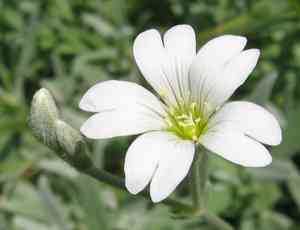
Snow-in-summer plants are resilient to frost, indicating their ability to withstand cold season temperatures without significant harm.
2
Begin winterizing your Snow-in-summer during late fall, prior to the arrival of the initial severe frost.
3
Applying mulch around the plant's base assists in shielding its root system from freezing conditions.
Importance of Overwintering for Snow-in-summer
Why is Overwintering Important for Snow-in-summer?
Overwintering is crucial for the care of your Snow-in-summer plants, especially if you wish to enjoy their beautiful flowers annually. By preparing these resilient plants for colder periods, you help shield them from potential winter harm, ensuring they can flourish once warmer weather returns. Proper overwintering methods can prevent root damage, lessen plant stress, and encourage robust regrowth in spring.
Preparing Snow-in-summer for Winter
When to Begin Winter Preparations?
The optimal time to start readying your Snow-in-summer for winter is in late autumn, before temperatures fall below freezing. Aim to finish winter preparations by mid-November to give your plants the best chance of surviving the cold. Early preparation helps ensure the plants are equipped to endure lower temperatures without significant damage.
Trimming Foliage and Stems
Cutting back the leaves and stalks of your Snow-in-summer plants is a vital step in winter readiness. Trim them to approximately 5 cm (2 inches) above the soil line. This practice helps decrease the risk of disease and pest infestations during winter. Removing dead or damaged foliage allows the plant to focus its energy on surviving the winter rather than sustaining unnecessary growth.
Watering Guidelines Before Winter
As winter approaches, gradually decrease the amount of water you provide to your Snow-in-summer plants. Excessive watering in cold months can cause root rot. Ensure the soil drains well and only water if the soil is completely dry. Generally, water the plants one final time before the first hard frost, making sure the soil is moist but not waterlogged.
Using Mulch to Protect Roots
Mulching is an excellent method to safeguard the roots of your Snow-in-summer during the cold season. Apply a layer of mulch, such as straw or shredded leaves, about 5-7 cm (2-3 inches) thick around the plant's base. This layer acts as an insulator, protecting the roots from freezing temperatures and maintaining a more consistent soil temperature.
Monitoring Snow-in-summer During Winter
Checking for Signs of Stress
Throughout the winter months, regularly inspect your Snow-in-summer plants for indications of stress, such as discoloration, wilting, or unusual dryness. If you observe any of these symptoms, take action by providing a little extra water if the soil is dry or adding more mulch around the base to offer additional insulation.
Observing Weather Patterns
Keep an eye on local weather forecasts and be aware of sudden temperature shifts. Unexpected cold snaps can stress your plants. When a significant temperature drop is predicted, consider adding extra mulch or covering your plants with a frost cloth to provide additional protection.
Reviving Snow-in-summer in Spring
Assessing Winter Damage
As spring arrives and temperatures rise, begin by evaluating any winter damage to your Snow-in-summer plants. Look for broken stems, dead foliage, or signs of disease. Cut away any damaged or dead parts to encourage healthy new growth.
Spring Pruning Techniques
Pruning is essential for revitalizing your Snow-in-summer. In early spring, trim the plants to encourage new shoots and create a more compact growth habit. Prune to shape the plant and remove any unhealthy sections, but be careful not to cut too deeply into the main stems.
Fertilizing for New Growth
To support vigorous new growth in spring, fertilize your Snow-in-summer plants with a balanced, slow-release fertilizer. Apply the fertilizer according to the package directions, ensuring not to over-fertilize, which can lead to weak growth. This feeding will provide essential nutrients and encourage a lush, blooming display in the warmer months.



