How to Overwinter Tabasco pepper
1
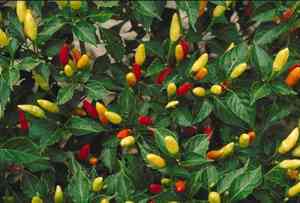
Keeping Tabasco pepper plants alive through winter allows them to yield more in following seasons.
2
Tabasco pepper plants need a lowest temperature of 10°C (50°F) to survive the winter period.
3
Make sure your Tabasco pepper plants get a minimum of 6-8 hours of light each day to stay healthy indoors.
Why Overwinter Tabasco pepper Plants?
Why Overwinter Tabasco pepper Plants?
Overwintering Tabasco pepper plants is an excellent method for extending their lifespan and boosting their yield. As they are semi-hardy, they cannot endure freezing temperatures without substantial protection. By relocating them indoors during colder periods, you can ensure their continued health and a more plentiful harvest in the subsequent growing season. This practice also enables you to keep mature plants already accustomed to your garden's environment, saving you the effort of cultivating new plants from seeds annually.
When Should You Start the Overwintering Process?
Optimal Timing for Preparation
The ideal time to begin preparing your Tabasco pepper plants for overwintering is in early autumn, prior to the initial frost. Monitor local weather forecasts to pinpoint the arrival of colder temperatures. Typically, this occurs when evening temperatures consistently fall to approximately 10°C (50°F). Initiating the process early ensures your plants aren't shocked by an abrupt indoor relocation.
Weather and Frost Considerations
Frost can be harmful to Tabasco pepper plants as they lack frost resistance. If your local climate often experiences early frosts, swift action is essential. Bring the plants indoors at least two weeks before the anticipated first frost date. Cool, frost-free nights assist the plants in gradually adapting to their indoor environment, reducing stress and potential harm.
How to Prepare Tabasco pepper Plants for Overwintering?
Prune Your Plants
Before bringing your Tabasco pepper plants inside, give them a thorough pruning. Remove any diseased or damaged stems and leaves to prevent illness propagation. Lightly trim the plant to encourage new growth and make it more manageable indoors. This pruning also helps decrease the plant's water and nutrient demands during the winter months.
Inspect and Clean the Plants
Carefully examine your Tabasco pepper plants for pests and diseases. Rinse the plants with a gentle water spray to dislodge any insects or eggs that might enter your home. Check the soil for unwanted pests and consider repotting if you find signs of infestation. Ensuring clean and healthy plants reduces the risk of spreading pests to other indoor plants.
Adjust Soil and Potting Conditions
If your Tabasco pepper plants are in the ground, transfer them to pots large enough to accommodate their root systems. Use a well-draining potting mix to prevent waterlogged soil, which can lead to root rot. If the plants are already potted, refresh the top layer of soil with a nutrient-rich mix to support their winter growth.
What Indoor Conditions are Ideal for Overwintering?
Light Requirements
To maintain the health of your Tabasco pepper plants indoors, position them where they will receive ample sunlight. A south-facing window is perfect as it offers the most natural light. If natural light is insufficient, consider using grow lights to provide the necessary 6-8 hours of light daily.
Temperature and Humidity
Tabasco pepper plants prefer a stable indoor temperature between 18-24°C (65-75°F). Avoid placing them near drafts, heating vents, or cold windowsills. Maintain moderate humidity around the plants using a humidifier or a nearby water tray to prevent them from drying out.
Watering and Feeding Schedule
Water your Tabasco pepper plants sparingly during winter, allowing the top inch of soil to dry between waterings. Overwatering can cause root rot, so exercise caution. Fertilize the plants with a diluted, balanced fertilizer once a month to sustain their vitality.
How to Transition Tabasco pepper Plants Back Outdoors?
Timing the Move
Plan to move your Tabasco pepper plants back outdoors after the last frost date in your area, once nighttime temperatures consistently exceed 10°C (50°F). Gradually increase their exposure to outdoor conditions to minimize shock.
Gradual Acclimatization
Begin by placing your Tabasco pepper plants in a shaded outdoor area for a few hours daily, progressively extending their outdoor time and the amount of direct sunlight they receive. This process, known as 'hardening off,' helps the plants adapt to the environmental change.
Monitoring for Stress and Pests
Observe your plants for signs of stress, such as wilting or yellowing leaves, during the transition. Regularly check for pests and treat any infestations promptly to prevent their spread. Consistent care and attention will help your Tabasco pepper plants thrive once they are back outdoors.



