How to Overwinter Yellow Birch
1
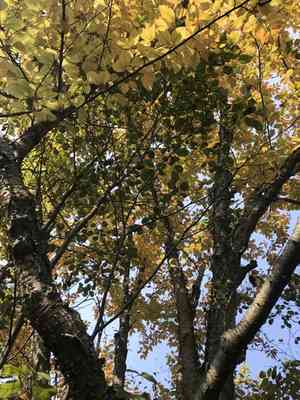
Yellow Birch trees are recognized for their attractive golden bark, making them a popular choice in both city and wild environments.
2
Trimming and applying mulch are vital steps to improve the Yellow Birch's ability to survive winter.
3
Appropriate care after winter is critical for Yellow Birch trees to flourish during the active growth period.
Why Is Overwintering Important for Yellow Birch?
Why Is Overwintering Important for Yellow Birch?
Yellow Birch trees, admired for their striking yellow bark and elegant appearance, are deciduous hardwood plants native to North America. Overwintering these trees is crucial for ensuring their survival and health through the severe winter months. During winter, Yellow Birch trees, like many others, encounter challenges such as frost, dehydration, and physical harm. Therefore, taking proactive steps to safeguard and prepare these trees for winter is essential. Proper overwintering maintains the tree's health and enhances its vitality and growth in the subsequent spring.
Understanding Frost Hardiness of Yellow Birch
What Does Frost Hardiness Mean?
Frost hardiness refers to a plant's capacity to endure cold temperatures without sustaining significant damage. It is particularly vital for plants like the Yellow Birch, which experience extreme temperature fluctuations. Frost-hardy plants have adapted to withstand freezing temperatures through various physiological mechanisms, such as accumulating solutes in their cells to prevent ice formation and damage.
Why Yellow Birch Is Considered Hardy
The Yellow Birch is considered hardy because it has developed mechanisms to withstand cold climates. These trees are indigenous to regions with harsh winters, so they have evolved thick barks and a dormancy period that protects their inner tissues from freezing temperatures. This natural adaptation makes them resilient, but providing additional care can further support their overall health and survival.
Preparing Yellow Birch for Winter
Pruning Before Winter
Pruning is a vital step in preparing the Yellow Birch for winter. It's important to trim any dead or diseased branches, as these can become entry points for pests and diseases during the winter months. Prune in late fall or early winter, just as the tree begins to enter dormancy. Ensure you use clean, sharp tools to make clean cuts, which will help the tree heal quicker and better.
Watering Needs in Fall
Before the arrival of winter, it's crucial to ensure your Yellow Birch is adequately watered. Trees require ample moisture to thrive, even during their dormant period. Watering in the fall helps the tree build up a reserve that it can draw on during winter. Aim to provide about 20-40 liters (5-10 gallons) of water each week, depending on the size of the tree and local weather conditions.
Mulching the Base
Mulching is an excellent way to insulate the soil and roots of the Yellow Birch against severe winter temperatures. Apply a layer of organic mulch, such as wood chips or shredded bark, around the base of the tree. A depth of about 5-10 cm (2-4 inches) is sufficient. Make sure to keep the mulch away from the trunk to prevent rot and allow for proper air circulation.
Protecting Young Yellow Birch Trees
Using Tree Guards
Young Yellow Birch trees are particularly susceptible to winter damage. To protect them, consider using tree guards. Wrap spiral tree guards around the trunk to shield it from frost cracks, pests, and physical damage. This preventive measure is especially crucial in areas with heavy snowfall, where the weight of the snow can cause significant harm.
Covering with Burlap
Another effective method to protect young Yellow Birch trees is by covering them with burlap. Burlap wraps help minimize moisture loss and protect the tree from harsh winds and temperature extremes. Ensure to secure the burlap properly, but allow some space for air circulation to prevent overheating and mold growth.
Common Overwintering Issues and Solutions for Yellow Birch
Dealing with Frost Damage
Frost damage can cause significant issues for Yellow Birch trees, such as cracked bark and damaged branches. If frost damage occurs, prune the affected areas to prevent further injury and allow the tree to heal. Applying a protective wrap or tree guard can help mitigate this issue in future winters.
Preventing Winter Desiccation
Winter desiccation occurs when trees lose more water from their tissue than they can absorb, leading to dehydration. To prevent this, apply a thick layer of mulch to help retain soil moisture. Additionally, consider using anti-desiccant sprays, which form a protective barrier on the leaves and reduce moisture loss.
Post-Winter Care for Yellow Birch
Inspecting for Winter Damage
As winter recedes and spring approaches, inspect your Yellow Birch for any damage sustained during the cold months. Look for signs of frost cracks, broken branches, or pest infestations. Early detection and intervention can prevent minor issues from becoming major problems.
Pruning Dead or Damaged Wood
Once you've identified any winter damage, promptly prune away dead or damaged branches. Removing these parts encourages healthy new growth and prevents diseases from spreading to healthy tissue. Use sharp, clean pruning tools to make precise cuts.
Fertilizing and Mulching in Spring
Spring is the ideal time to give your Yellow Birch a nutrient boost. Apply a balanced fertilizer to provide essential nutrients that support new growth. Additionally, refresh the mulch layer around the tree base to maintain soil moisture and temperature stability.



