How to Overwinter Painted-leaf begonia
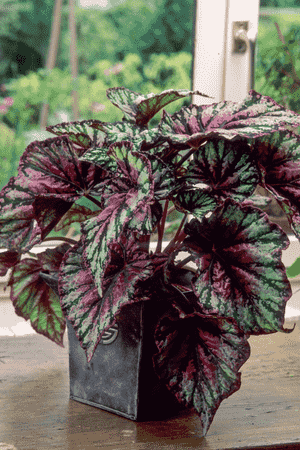
1
Painted-leaf begonia is highly susceptible to low temperatures and requires frost protection.
2
It's essential to maintain adequate indoor humidity for Painted-leaf begonia throughout the winter.
3
Gradually acclimate your plant to outdoor environments to avoid stress when moving it back outside.
What Overwintering Entails for Painted-leaf begonia?
What Overwintering Entails for Painted-leaf begonia?
Overwintering involves safeguarding your Painted-leaf begonia from harsh winter elements by providing a suitable indoor setting. As this plant is sensitive to cold, it cannot endure freezing temperatures, making overwintering crucial for its well-being. By replicating an appropriate indoor climate, you can ensure your Painted-leaf begonia continues to flourish and is prepared to thrive once warmer weather returns.
Preparing Your Painted-leaf begonia for Winter Dormancy
Assess Plant Vigor
Start by examining your Painted-leaf begonia for any indications of stress or illness. Robust plants are better equipped to handle the indoor transition. Look for bright, vibrant foliage and strong stems. Address any issues like yellowing leaves or soft stems before bringing the plant inside, as these can worsen under different indoor conditions.
Clean and Trim
Cleaning and trimming your Painted-leaf begonia is a vital step in the overwintering process. Remove dead or damaged leaves to prevent disease spread and reduce the plantâs energy consumption. Wiping leaves with a damp cloth can also help remove dust and potential pests, ensuring a healthier indoor environment.
Check for Pests
Before moving your Painted-leaf begonia indoors for winter, perform a thorough pest inspection. Check both sides of the leaves and along the stems for insects such as spider mites, aphids, and mealybugs. Treat any infestations with appropriate insecticidal soap or neem oil. This prevents pests from spreading to other indoor plants and impacting your begonia's health.
Indoor Overwintering Strategies for Painted-leaf begonia
Selecting the Ideal Spot
Choose an indoor location that offers your Painted-leaf begonia the correct amount of light and temperature. Ideally, position it near a north or east-facing window where it can receive indirect sunlight. Avoid drafty areas or direct heat sources like radiators, which may stress the plant.
Adjusting Light and Temperature
Maintain a consistent indoor temperature of 15-18°C (59-65°F) for your Painted-leaf begonia. It prefers cooler, but not cold, conditions during the winter. To compensate for shorter daylight hours, consider using a grow light to ensure the plant receives approximately 10-12 hours of light per day.
Watering and Humidity Management
During winter, water your Painted-leaf begonia sparingly, keeping the soil slightly moist but not waterlogged. Overwatering can lead to root rot. Additionally, indoor heating can dry out the air; thus, it's crucial to maintain humidity levels around 50-60%. Use a humidity tray or a room humidifier to achieve this balance.
Common Issues During Painted-leaf begonia Overwintering
Identifying Stress Signals
Monitor your Painted-leaf begonia for signs of stress such as drooping foliage, yellowing, or leaf drop. These symptoms can indicate insufficient light, improper watering, or low humidity. Address these issues promptly to prevent long-term damage to the plant.
Managing Pests and Diseases
Even indoors, pests and diseases can be a concern. Continuously check for pests like spider mites and aphids, and treat them immediately using insecticidal soap. Also, be vigilant about fungal diseases which thrive in humid conditions. Ensure good air circulation around your plant to minimize these risks.
Maintaining Optimal Conditions
Maintaining consistent temperature, humidity, and light conditions can be challenging indoors. Make adjustments as needed, such as moving the plant closer to a window in the morning and away from drafts. Using a thermostat to regulate room temperature can also help create a stable environment.
When and How to Move Your Painted-leaf begonia Back Outdoors
Timing the Transition
Wait until the risk of frost has passed and nighttime temperatures consistently remain above 10°C (50°F) before moving your Painted-leaf begonia back outdoors. Early spring usually provides the ideal conditions for this change.
Gradual Reintroduction
Gradually reintroduce your Painted-leaf begonia to outdoor conditions by placing it outside for a few hours each day over the course of a week. Start in a shady location and slowly increase its exposure to sunlight. This helps the plant acclimate and reduces the risk of shock.
Post-Winter Care Advice
Once your Painted-leaf begonia is back outside, resume regular care practices such as increased watering and feeding with a balanced fertilizer. Monitor the plant closely for any signs of stress and adjust care routines as necessary to support its full recovery and growth.



