How to Overwinter Orchid Tree
1
Orchid Trees are tropical plants that flourish optimally in USDA zones 9-11.
2
Protecting them in winter is crucial since Orchid Trees are sensitive to frost and cannot endure temperatures under 4°C (39°F).
3
Appropriate winter maintenance guarantees robust flowering in the spring.
What is an Orchid Tree?
What is an Orchid Tree?
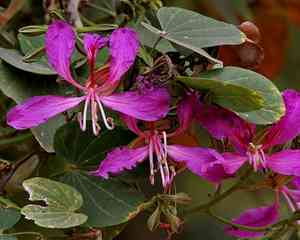
The Orchid Tree (Bauhinia purpurea) is a magnificent decorative plant recognized for its striking, orchid-like flowers that vary from purple to magenta. Originating from tropical and subtropical areas, this tree can reach heights of up to 12 meters (39 feet), making it a favored option for gardens in warmer climates. Its lush, heart-shaped leaves and vibrant blooms bring an exotic touch to any landscape. However, due to its frost tenderness, individuals in regions with cold winters must take special precautions to protect these beautiful trees during the colder months.
Steps to Overwinter your Orchid Tree
Inspecting and Cleaning the Tree
Before bringing your Orchid Tree indoors, thoroughly check it for any indications of pests or diseases. Examine the undersides of leaves and around the trunk for any unwanted visitors. Gently clean the foliage with a mixture of water and mild soap to remove dust, dirt, or pests. Ensuring the tree is clean before moving it inside prevents potential infestations in your home and helps maintain the treeâs health.
Pruning and Cutting Back
Pruning is a crucial step in preparing your Orchid Tree for winter. Trim any dead or damaged branches, and cut back excessive growth to maintain a manageable size for indoor storage. Pruning encourages healthy development and reduces the treeâs need for resources during the winter months. Aim to prune the tree to about one-third of its size, focusing on preserving its shape and removing any crossing limbs.
Repotting if Necessary
If your Orchid Tree is in a container, inspect the pot and root system. Over time, the tree might become root-bound, which can stress the plant. If needed, repot your Orchid Tree into a slightly larger container with fresh, well-draining soil. This provides the roots with more room to grow and helps revitalize the plant. Ensure the pot you choose has adequate drainage to prevent waterlogged soil, which can lead to root rot.
Choosing the Right Location
Position your Orchid Tree indoors in a spot that receives ample light but is shielded from drafts and extreme temperature changes. A bright, south-facing window is ideal. Avoid placing the tree near heating vents or radiators, as these can dry out the plant. Consistent temperatures and plenty of light will help the tree adapt to its new indoor environment and continue to flourish.
Setting Up Indoor Environment
Creating an optimal indoor environment for your Orchid Tree involves ensuring it has sufficient light, humidity, and proper air circulation. Consider using grow lights if natural light is inadequate. Maintaining indoor humidity around 50-60% is ideal, which can be achieved using a humidifier or placing a tray of water near the tree. Regularly rotate the plant to ensure even light distribution and prevent it from leaning towards the light source.
Maintaining Orchid Tree During Winter
Watering Needs
During winter, your Orchid Tree's watering requirements will decrease. Overwatering can lead to root rot, so itâs important to let the top 2-3 cm (1 inch) of soil dry out between waterings. Check the soil moisture regularly, and water sparingly, ensuring that excess water drains away. The goal is to maintain a balance that keeps the soil lightly moist but never soggy.
Humidity and Temperature Control
Orchid Trees prefer humid conditions, and indoor winter air can often be dry. Increasing humidity can be achieved with a humidifier or by placing a shallow tray filled with water and pebbles near the tree. Keep the indoor temperature between 15-24°C (59-75°F) to keep the tree comfortable. Avoid exposing the plant to sudden temperature changes, which can stress it and lead to leaf drop.
Light Requirements
Ensure your Orchid Tree receives adequate light during the winter months. A bright window with indirect sunlight is ideal. If natural light is insufficient, consider supplementing with grow lights. The tree needs roughly 6-8 hours of light daily to maintain its health and vigor. Monitor the plant for signs of insufficient light, such as yellowing leaves or leggy growth, and adjust the lighting as needed.
Common Issues and Solutions During Overwintering
Dealing with Leaf Drop
Leaf drop is a common issue when transitioning Orchid Trees indoors. It can be caused by sudden changes in light, temperature, or humidity. To mitigate this, gradually acclimate the tree to indoor conditions over a week, slowly moving it to its final indoor location. Maintain consistent care routines and monitor the plant closely for signs of stress. If leaf drop occurs, ensure the tree is getting adequate light and humidity, and avoid overwatering.
Managing Pests and Diseases
Indoor environments can sometimes lead to pest issues such as spider mites or aphids. Regularly inspect your Orchid Tree for any signs of pests and treat immediately with insecticidal soap or neem oil if necessary. Diseases such as powdery mildew can occur if humidity levels are too high. Ensure proper air circulation and avoid wetting the foliage to prevent fungal issues. Promptly remove any affected leaves to prevent the spread of disease.
Preparing Orchid Tree for Spring
Gradual Reintroduction to Outdoor Conditions
As winter ends and temperatures start to rise, prepare your Orchid Tree for reintroduction to outdoor conditions. Gradually acclimate the tree to the outdoor environment by placing it outside for a few hours each day, increasing the time spent outdoors over a two-week period. This helps the tree adjust gradually and reduces shock from the sudden change in environment.
Resuming Regular Care Practices
Once your Orchid Tree is fully acclimated to outdoor conditions, resume regular care practices. This includes more frequent watering, fertilizing every 4-6 weeks with a balanced fertilizer, and ensuring it receives ample sunlight. Prune any dead or damaged branches that occurred during winter and monitor for any signs of stress or pests. With proper care, your Orchid Tree will thrive and reward you with beautiful blooms throughout the growing season.



