How to Overwinter Neem tree
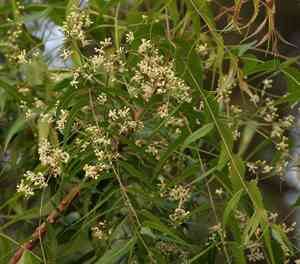
1
Neem trees are susceptible to cold and need to be moved inside before temperatures fall below 10°C (50°F).
2
Optimal indoor temperatures for maintaining your Neem tree's health through winter range from 18-24°C (65-75°F).
3
Trimming your Neem tree prior to winter assists it in coping with the diminished light conditions indoors.
Understanding Neem tree Cold Sensitivity
Understanding Neem tree Cold Sensitivity
The Neem tree, a tropical evergreen, is renowned for its medicinal qualities and adaptability to diverse environments. However, it exhibits significant vulnerability to frost. This tree cannot endure low temperatures and requires maximum protection from freezing conditions. When temperatures fall below 10°C (50°F), the tree faces a substantial risk of harm. Frost exposure can lead to leaf wilting, browning, and eventual shedding, severely impacting the tree's overall vitality. Therefore, monitoring local weather forecasts and planning accordingly is vital for maintaining your Neem tree's health during colder months.
Preparing Your Neem tree for Winter
Checking for Pests and Diseases
Before bringing your Neem tree indoors, thoroughly inspect it for any pests or diseases. While Neems are generally pest-resistant due to their natural insecticidal properties, they can still be affected by common pests such as aphids, spider mites, and scale insects. Use a magnifying glass to examine the undersides of leaves and in crevices where pests often hide. If any issues are found, treat them with organic insecticidal soap or neem oil to prevent their spread indoors.
Trimming and Shaping
Pruning is crucial when getting your Neem tree ready for winter. Begin by removing any dead or diseased branches to prevent the spread of problems while the plant is inside. You can also shape the tree as desired, focusing on promoting good air circulation among the branches. This practice helps by reducing the amount of foliage the plant needs to sustain, making it easier to manage under the reduced light conditions typical of indoor environments during winter.
Repotting if Required
If your Neem tree has been in the same container for more than a year, consider repotting it before moving it indoors. Select a pot approximately 5 centimeters (2 inches) larger in diameter than its current one. Use a well-draining soil mix to ensure roots do not sit in water, which could lead to root rot. Repotting provides the tree with fresh nutrients and more room for root expansion, contributing to its overall health and vigor during the indoor winter period.
Indoor Care for Neem tree During Winter
Selecting the Optimal Location
Choose a spot in your home that receives ample natural light. A south-facing window is typically the best choice. The Neem tree requires at least 6-8 hours of sunlight daily to remain healthy. If natural light is limited, especially during the shorter winter days, consider supplementing with a grow light. Remember that neems prefer a stable environment, so position them away from drafts, heating vents, or cold windowsills.
Illumination Requirements
Meeting your Neem tree's light needs is essential during the winter months. Aim for 14-16 hours of light per day, utilizing artificial plant lights if necessary. LED grow lights are an energy-efficient option that provides the full spectrum of light your Neem tree requires. Position these lights about 30 centimeters (12 inches) above the plant and use a timer to mimic a natural day-night cycle.
Watering and Atmospheric Moisture
Water your Neem tree sparingly during winter. The indoor tree does not require as much water as it would outdoors. Allow the soil to dry out to a depth of about 2.5-5 centimeters (1-2 inches) between waterings. Overwatering is a common problem that can cause root rot. Additionally, indoor air can be dry in winter, so consider using a humidity tray or a humidifier to maintain a humidity level of approximately 40-50%.
Temperature Considerations
The ideal indoor temperature for a Neem tree in winter ranges from 18-24°C (65-75°F). Avoid exposing the plant to temperatures below 10°C (50°F) or above 29°C (85°F), as extreme conditions can stress the tree. Consistency is key, so strive to maintain stable temperature conditions within this range, preventing fluctuations that can shock the plant.
How to Move Your Neem tree Back Outdoors
Scheduling the Relocation
Timing is crucial when moving your Neem tree back outdoors. Wait until local weather consistently remains above 10°C (50°F) at night before placing the plant outside. A sudden temperature drop can shock the tree and cause damage. This typically occurs in late spring, but be sure to consult your local climate patterns.
Adapting the Plant
Gradually acclimate your Neem tree to outdoor conditions. Begin by placing the tree in a shaded area for a few hours daily, progressively increasing the time spent outdoors and the amount of direct sunlight it receives. This process, known as 'hardening off,' usually takes about 2 weeks and helps the tree adjust to the environmental change without suffering from sunburn or shock.
Resuming Regular Care Practices
Once your Neem tree has adapted to outdoor conditions, resume your standard care routine. This includes consistent watering, feeding, and pest monitoring. Be mindful of the changing seasons and adjust your care as needed to keep the tree healthy and thriving throughout the year.
Common Errors to Avoid When Overwintering Neem tree
Excessive Watering
One of the most frequent mistakes is overwatering. The Neem tree requires less water during winter because it is not actively growing. Keep the soil slightly dry and water only when necessary to prevent root rot.
Insufficient Illumination
Inadequate light can weaken your Neem tree, making it more vulnerable to pests and diseases. Ensure your tree receives ample light, using artificial grow lights if needed to provide the full spectrum of light required for robust growth.
Neglecting Pest Management
Ignoring pest control can lead to infestations that spread rapidly indoors. Regularly inspect your Neem tree for signs of pests and address any issues promptly to maintain a healthy tree throughout the winter.



