How to Overwinter Cast-iron plant
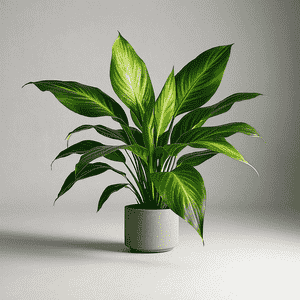
1
The Cast-iron plant tolerates diverse light levels, making it a great indoor plant for winter.
2
It's crucial to keep the Cast-iron plant within 10-24°C (50-75°F) during the winter season.
3
Excessive watering is the primary reason for root rot in Cast-iron plants over winter.
Why Overwinter the Cast-iron plant?
Why Overwinter the Cast-iron plant?
The Cast-iron plant has earned its tough reputation for good reason. Known scientifically as Aspidistra elatior, this robust plant can endure varied light conditions and less-than-ideal watering routines. However, during winter, even the hardiest plant needs a bit of extra attention. Overwintering involves specific steps to ensure your plant thrives through cold months, especially if you live in a region with harsh winters. Preparing your plant for winter keeps it healthy, reduces pest risks, and promotes easier growth in spring.
Preparing the Cast-iron plant for Winter
Cleaning and Pruning
Before moving your Cast-iron plant indoors for winter, it's crucial to clean and prune it. Remove any dead or yellowed leaves to prevent decay and disease. Use garden shears to trim back any straggly or overgrown sections of the plant. This process not only maintains plant health but also enhances its overall appearance.
Inspecting for Pests
The next step in readying your Cast-iron plant for winter is a thorough pest inspection. Look for any signs of insects such as spider mites, aphids, or mealybugs. If found, use an appropriate insecticidal soap or neem oil to treat the plant before bringing it inside. This simple measure can save you a winter of dealing with infestations.
Soil and Pot Considerations
Examine the soil condition and pot size. If the soil appears compacted, consider repotting with fresh, well-draining soil. Ensure the pot has sufficient drainage holes to prevent water accumulation, which can lead to root rot. A slightly larger pot allows for root expansion but isn't so big that it causes water to pool.
Indoor Care Tips for Cast-iron plant During Winter
Optimal Lighting Conditions
While the Cast-iron plant tolerates low light, it performs best in moderate indirect light, especially during winter. Position your plant near a north-facing window for optimal results. If natural light is insufficient, you can supplement with a grow light.
Temperature and Humidity Requirements
Maintain a consistent indoor temperature between 10-24°C (50-75°F). Avoid placing your plant near drafts, heating vents, or fireplaces. As for humidity, the Cast-iron plant is not very demanding but will benefit from occasional misting or a nearby humidifier if your indoor air is very dry.
Watering Regimen
Water the Cast-iron plant sparingly during winter. The plant's growth rate slows, and it requires less water. Check soil moisture with your finger; if the top 3-5 cm (1-2 inches) of soil is dry, it's time to water. Always use lukewarm water to avoid shocking the roots.
Fertilizing Schedule
Refrain from fertilizing during the winter months. The Cast-iron plant does not need extra nutrients while in its dormant stage. Resume fertilizing with a balanced, liquid fertilizer when new growth is observed in the spring.
What Are Common Winter Issues for Cast-iron plant?
Leaf Yellowing
Yellowing leaves can be a common winter issue, often indicating overwatering or insufficient light. Adjust your watering schedule and ensure your plant receives the correct amount of indirect light to resolve this problem.
Root Rot
Root rot is a serious issue typically caused by overwatering or poor drainage. To prevent this, ensure your pot has adequate drainage and avoid watering too frequently. If you suspect root rot, remove the plant from its pot, trim affected roots, and repot in fresh, well-draining soil.
Pest Infestations
Winter is not free from pest problems. Keep an eye out for common pests like spider mites and mealybugs. Treat infestations immediately with insecticidal soap or neem oil and isolate the affected plant to prevent spreading.



