How to Overwinter Marguerite daisy
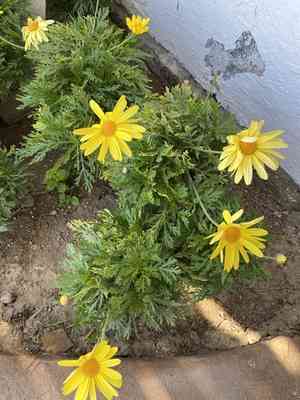
1
Marguerite daisy flourishes in temperatures ranging from 18°C-24°C (64°F-75°F).
2
Excessive pruning can negatively impact the plant's winter survival; prune moderately.
3
Employ a well-draining, light potting mixture to avoid root rot when overwintering indoors.
What Does it Mean to Overwinter Marguerite daisy?
What Does it Mean to Overwinter Marguerite daisy?
Overwintering involves preparing your Marguerite daisy for the colder months to ensure its survival and vigorous growth come spring. As Marguerite daisy is semi-hardy, it requires specific care to endure extreme cold. This process includes various steps to shield the plant from freezing temperatures, either by relocating it indoors or by implementing outdoor insulation and protection.
Preparing Marguerite daisy for Overwintering
Pruning and Cleaning
Start by trimming your Marguerite daisy. Remove any dead, diseased, or damaged stems and foliage. This not only aids in disease prevention but also lessens the plant's need for water and nutrients during its dormant winter phase. Aim for light pruning, removing roughly one-third of the plant material.
Inspecting for Pests and Diseases
Examine your daisy for indications of pests or diseases before bringing it inside to prevent their spread. Look for common pests such as aphids and spider mites. Address any infestations appropriately using insecticidal soap or Neem oil as a natural alternative.
Soil and Pot Preparation
If you plan to move the plant indoors, ensure it resides in a pot with adequate drainage to prevent waterlogging. Refresh the soil if it appears compacted or depleted. A well-draining potting mix will offer the best environment for your daisy during the winter period.
Indoor Overwintering Techniques
Selecting the Right Location
Choose a spot that receives ample indirect sunlight. A cool room maintained at approximately 10°C-15°C (50°F-59°F) is ideal. Avoid placing the pot in areas with fluctuating temperatures, such as garages or near heating units.
Managing Light and Temperature
Ensure your Marguerite daisy receives at least 6 hours of light daily. If natural light is insufficient, consider utilizing grow lights. Maintain a consistent room temperature to prevent stressing the plant.
Watering and Humidity Control
Water your plant sparingly during winter as its growth rate decreases. Allow the soil to dry out completely between waterings. Keep indoor humidity levels around 40-50% to mimic its natural habitat. A small humidifier can help achieve this.
Outdoor Overwintering Techniques
Mulching and Covering
Apply a thick layer of mulch around the base of the daisy to insulate its roots. Use materials like straw, leaves, or wood chips. Mulching helps retain soil moisture and provides protection against extreme temperatures.
Protective Structure Construction
Consider building a basic cold frame or using a cloche to safeguard your outdoor Marguerite daisy. These structures create an insulated environment, protecting against frost.
Heat Source Utilization
In particularly harsh climates, employ outdoor heaters or garden lights that emit warmth to protect your Marguerite daisy. Ensure these heat sources are safe and correctly installed to prevent fire hazards.
Reviving Marguerite daisy After Winter
Gradual Reintroduction to Outdoor Conditions
Begin by placing your daisy outdoors for a few hours each day, progressively increasing its time outside. This hardening-off process assists it in readapting to outdoor conditions without shock.
Pruning and Encouraging New Growth
In early spring, trim away any parts damaged by winter. This will stimulate new growth and help the plant recover its vigor. Use clean, sharp tools for precise cuts.
Feeding and Soil Amendments
Once your Marguerite daisy is back outside, begin feeding it with a balanced fertilizer (e.g., 10-10-10). Enrich the soil with compost or organic matter to support robust growth throughout the growing season.



