How to Overwinter Aloe vera
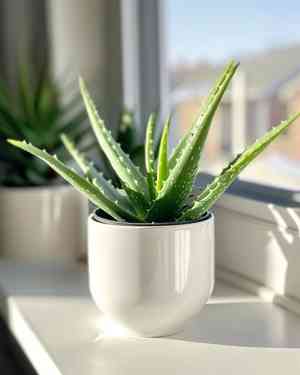
1
Aloe vera is susceptible to frost damage if temperatures fall below 10°C (50°F).
2
Excessive watering frequently leads to root rot in winter.
3
Aloe vera needs ample, filtered sunlight, even in colder periods.
What Does Overwintering Aloe vera Involve?
What Does Overwintering Aloe vera Involve?
Overwintering Aloe vera entails preparing the plant to endure colder months, particularly if you reside in a region with harsh winters. This succulent, originating from warmer climates, lacks frost hardiness and can suffer harm if exposed to temperatures below 10°C (50°F). The main objective is to shield it from frost, ensure it receives adequate light, and manage irrigation to prevent issues like root rot. Overwintering typically necessitates relocating the plant indoors and adapting its care routine to suit indoor conditions.
How to Properly Overwinter Aloe vera Indoors
Choosing the Right Location
Selecting the ideal spot for your Aloe vera is essential. Opt for a location that mimics its natural habitat: bright with ample indirect sunlight. A south or west-facing window is perfect. Ensure the area is free from drafts and away from heat sources like radiators or vents, which can create an excessively dry environment.
Ideal Temperature and Humidity
Aloe vera thrives in temperatures ranging from 15°C to 21°C (59°F to 70°F). Avoid placing it in rooms that drop below 10°C (50°F) at night. The plant does not tolerate high humidity well; aim to maintain indoor humidity levels around 40-50%. If you live in a particularly humid area, consider using a dehumidifier to uphold optimal conditions.
Lighting Requirements
Aloe vera needs abundant light to remain healthy throughout winter. Position your plant where it can receive at least six hours of bright, indirect sunlight daily. If natural light is insufficient, especially during darker winter months, consider supplementing with a grow light. LED grow lights are an excellent choice as they provide the necessary light spectrum without generating excessive heat.
Watering Techniques
Adjusting your watering practices is a crucial step in overwintering Aloe vera. During winter, Aloe vera requires significantly less water. Irrigate the plant only when the top 5 cm (2 inches) of soil feels dry. Overwatering can lead to root rot, a common problem in winter. Ensure the pot has good drainage and that any excess water can escape. A terra-cotta pot is ideal as it helps draw moisture away from the soil.
Common Problems When Overwintering Aloe vera
Preventing Frost Damage
Frost damage can be detrimental to your Aloe vera. Always bring the plant indoors before the first frost. If your plant has been exposed to frost, you might notice the leaves turning dark and mushy. In such cases, trim the damaged parts with sterilized scissors to prevent the spread of damage.
Addressing Root Rot
Root rot is a frequent issue, especially in winter when watering frequency should be reduced. Signs of root rot include yellowing leaves and a foul odor emanating from the soil. To address root rot, remove the affected plant from its pot, trim the rotten roots, allow it to dry for a couple of days, and repot it in fresh, well-draining soil.
Dealing with Pests
Indoor conditions can create an ideal environment for pests like spider mites and mealybugs. Check your Aloe vera regularly for signs of pests, such as small webs or white, cotton-like clusters. If pests are found, treat the plant with insecticidal soap or neem oil. Regularly wiping down the leaves can also help keep pests at bay.



