How to Overwinter Giant taro
1
Giant taro is susceptible to frost and requires particular attention during colder months.
2
Store rhizomes in a cool, dry location at approximately 10°C (50°F).
3
Prior to storage, always check rhizomes for pests to prevent infestations.
Importance of Overwintering Alocasia macrorrhizos
Why Overwinter Giant taro?
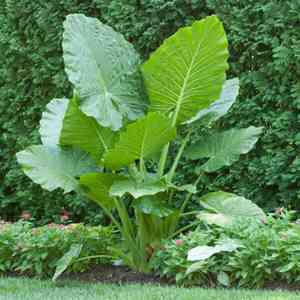
The Alocasia macrorrhizos, recognized for its expansive, impressive leaves, is a tropical species unable to endure freezing conditions. It is essential to overwinter this plant for its successful growth in the subsequent season, particularly in areas with cold winters. Overwintering safeguards the plant's sensitive rhizomes from frost, ensuring their viability for future planting.
Detailed Instructions for Overwintering Alocasia macrorrhizos
Progressively Decrease Irrigation
As temperatures start to drop, progressively lessen the water supplied to your Giant taro. This action prompts the plant to reduce its growth and enter a dormant state. Excessive watering during this phase can cause root rot, which is particularly harmful when the plant is not actively developing.
Trimming Back Leaves
Once the foliage begins to yellow and naturally recede, it's time to trim it down to approximately 10 cm (4 inches) from the base. This action helps the plant conserve energy and simplifies handling the rhizomes later on.
Excavating the Rhizomes
Carefully excavate around the plant to extract the rhizomes from the soil. Utilize a garden fork or spade, taking care to minimize damage to the rhizomes. It's best to perform this task gently to prevent any cuts or abrasions, which could serve as entry points for pathogens.
Cleaning and Examining Rhizomes
Following the excavation of the rhizomes, gently remove any surplus soil and check them for indications of pests or illness. Confirm they are clean and dry before proceeding to the storage phase. A soft brush can be employed to clean the rhizomes without causing harm.
Storing the Rhizomes
Keep the cleaned rhizomes in a dry, cool location, ideally at a temperature near 10°C (50°F). You can place them in a cardboard container filled with peat moss or vermiculite, which assists in maintaining suitable moisture levels without promoting decay. Ensure they are not packed too tightly to allow for air circulation.



