How to Overwinter Welsh onion
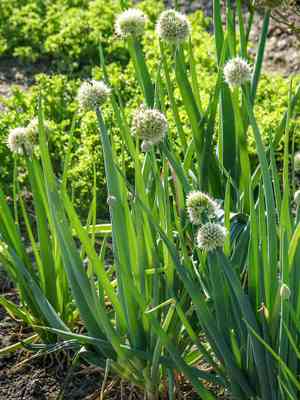
1
Welsh onions are able to endure the winter season with appropriate preparation and maintenance.
2
Applying mulch offers vital protection for Welsh onions grown outside.
3
Slowly acclimate your Welsh onions to outdoor conditions in spring to prevent stress.
Why Overwinter Welsh onion?
Why Overwinter Welsh onion?
Overwintering Welsh onion is essential for guaranteeing the plant's survival through the harsh, cold winter months. As a robust perennial, the Welsh onion is resilient, yet it still benefits from proper preparation and care. Overwintering helps maintain the plant's health and productivity, enabling it to flourish and continue yielding well into the next growing season. Furthermore, dedicating time to overwinter your Welsh onions can safeguard them from diseases and pests, ensuring a strong and healthy harvest.
Preparing Welsh onion for Overwintering
Checking Plant Health
Before winter arrives, examine your Welsh onions for any indications of stress, illness, or pest infestation. Look for yellowing leaves, spots, or any abnormalities that might signal problems. Addressing these issues promptly can prevent them from worsening over winter, ensuring your plants begin the next season healthy and vigorous.
Pruning and Tidying
Prune the Welsh onions by removing any dead or diseased foliage. This not only enhances the plants' overall appearance but also lowers the risk of overwintering pests and diseases. Cleaning up the garden bed by clearing debris and fallen leaves can further help in maintaining a pristine environment for the plants.
Fertilizing
Applying a slow-release fertilizer before winter can provide vital nutrients that will support the plants' root systems during the cold months. Choose a balanced fertilizer and adhere to the application instructions carefully to avoid over-fertilizing, which can cause more harm than good.
Outdoor Overwintering Methods
Mulching
Applying a thick layer of organic mulch, such as straw, leaves, or compost, around the base of the Welsh onions can help insulate the soil and protect the roots from freezing temperatures. Aim for a mulch layer about 7.5-10 cm (3-4 inches) thick. This not only keeps the ground warmer but also prevents soil erosion.
Cold Frames and Cloches
Utilizing cold frames or cloches can offer additional protection for your Welsh onions by creating a micro-environment that shields them from severe weather conditions. These structures trap heat and keep the plants warm. Ensure they are firmly anchored to prevent them from being dislodged by strong winds.
Covering with Fleece
Garden fleece is a lightweight, breathable fabric that can be draped over the plants to provide an extra layer of insulation. This method is straightforward and effective, especially for safeguarding against frost. Secure the fleece around the plants, ensuring it is well-anchored to withstand windy conditions.
Indoor Overwintering Techniques
Potted Plants
If you prefer to bring your Welsh onions indoors, transplant them into pots that allow for adequate root growth. Use a quality potting mix and ensure the pots have drainage holes to prevent waterlogging. Keep these pots in a cool and bright location indoors.
Wintering in Greenhouses
Greenhouses offer an ideal environment for overwintering Welsh onions. Ensure the greenhouse is well-ventilated and maintains a temperature just above freezing to protect the plants without causing them to grow actively, which they would do under warmer conditions.
Maintaining Proper Light and Temperature
Whether you are using a greenhouse or indoor space, it's crucial to maintain appropriate light and temperature conditions. Welsh onions need at least a few hours of light each day. Use grow lights if natural light is insufficient. Keep the temperature around 5-10°C (40-50°F) to prevent the plants from becoming too active or dormantly stressed.
Post-Winter Care for Welsh onion
Gradual Reintroduction Outdoors
As temperatures begin to rise in the spring, gradually reintroduce your Welsh onions to the outdoor environment. Start by placing them outside for a few hours each day, progressively increasing the time over one to two weeks. This helps acclimate the plants to the changing conditions, reducing the risk of transplant shock.
Checking for Pests and Diseases
After overwintering, inspect your Welsh onions for any signs of pests or diseases. Look for unusual spots, discoloration, or insect activity. Address any issues promptly to prevent them from spreading and affecting the health of your plants.
Resuming Regular Care
Once your Welsh onions are transitioned back to the garden, resume regular care routines, including watering, weeding, and fertilizing as appropriate for the growing season. This ensures they continue to thrive and produce throughout the year.



