How to Overwinter False aloe
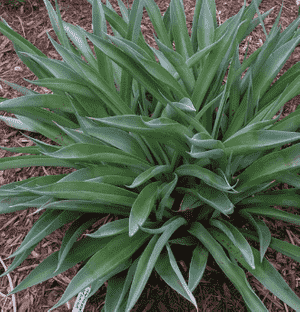
1
False aloe is resilient to low temperatures, yet it still needs some defense during severe cold spells.
2
Applying mulch around the base of False aloe aids in moisture retention and root insulation.
3
Moving False aloe inside can guarantee its survival through winter, particularly in areas experiencing intense cold.
What Is False aloe Overwintering?
What Is False aloe Overwintering?
Overwintering False aloe entails measures to safeguard this robust plant from the harshest winter conditions. Although False aloe (Agave virginica) is renowned for its hardiness, particularly in temperate zones, it still needs specific attention to ensure its year-round vitality. Overwintering means preparing the plant for colder months, either by providing indoor solutions or implementing outdoor protective actions. This procedure is vital for maintaining the health and longevity of your False aloe.
Preparing False aloe for Winter
Inspecting the Plant
Start by thoroughly examining your False aloe. Look for any indications of illness, pests, or damage. Detecting these problems early can prevent them from worsening during winter when the plant's defenses are weaker. Confirm the roots are healthy, and check for any decay or fungal development. A robust plant has a greater chance of surviving the colder months.
Cleaning and Pruning
Next, clean your False aloe by removing any dead or damaged foliage. Pruning helps decrease the likelihood of diseases and pests establishing themselves. Wipe the leaves with a soft, damp cloth to remove dust and debris. Pruning should be minimal, focusing only on necessary removals, ensuring not to stress the plant just before the onset of colder weather.
Indoor Solutions for Overwintering False aloe
Creating an Indoor Environment
If you reside in an area with extremely severe winters, bringing your False aloe indoors can be a dependable method for overwintering. Place the plant in a pot with well-draining soil if it's not already potted. Ensure the pot has adequate drainage holes to prevent waterlogging, which can lead to root rot.
Lighting and Temperature Needs
False aloe requires ample light even during winter. Position it near a south-facing window where it can receive at least 6 hours of direct sunlight daily. If natural light is insufficient, consider using a grow light. Maintain indoor temperatures around 18-24°C (65-75°F). Avoid placing the plant near cold drafts or heat sources like radiators that can cause extreme temperature fluctuations.
Outdoor Solutions for Overwintering False aloe
Mulching and Soil Preparation
Outdoors, you can protect your False aloe by applying a thick layer of mulch around the plant's base. Mulching helps retain moisture and insulates the roots from severe cold. Use organic materials such as straw, pine needles, or shredded bark, applying it up to 10 cm (4 inches) thick.
Watering and Care During Winter
Reduce watering as False aloe enters dormancy in winter. Overwatering can be harmful, leading to root rot. The soil should be kept slightly moist but not saturated. Allow the top 2-3 cm (1 inch) of soil to dry out completely between waterings.
Protection from Extreme Weather
For regions experiencing highly unpredictable or extreme winter weather, consider covering your False aloe with a frost cloth or burlap. This extra layer of protection helps shield the plant from frostbite and harsh winds. Ensure the cover does not touch the leaves, as it can cause freezing when temperatures drop.
Common Mistakes to Avoid
Overwatering
A frequent error is overwatering False aloe during winter. This plant is robust and drought-tolerant, especially during its dormant phase. Maintain a careful watering schedule to prevent excessive moisture from causing root damage.
Underestimating Sunlight Needs
False aloe demands abundant sunlight. During winter, ensure the plant receives sufficient natural or artificial light. Insufficient light can weaken the plant and make it vulnerable to diseases.
Poor Air Circulation
Whether indoors or outdoors, adequate air circulation is vital. Stagnant air can lead to mold and mildew growth. Ensure ample spacing around the plant indoors, and if placed outdoors, consider the airflow and adjust the planting site accordingly.



