How to Overwinter Silver wattle
1
Acacia dealbata possesses moderate frost tolerance but still needs winter safeguarding.
2
Appropriate mulching assists in preserving root warmth and hydration levels throughout winter.
3
Frequent checks aid in identifying and averting pest and illness problems promptly.
Understanding Silver wattle's Frost Hardiness
Understanding Silver wattle's Frost Hardiness
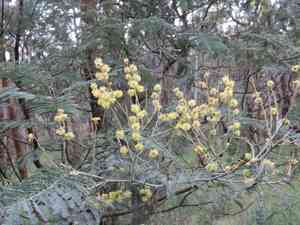
The Silver wattle (Acacia dealbata) is a beautiful evergreen tree, recognized for its delicate foliage and fragrant yellow blooms. While it possesses a moderate degree of frost tolerance, it's not entirely impervious to cold. This plant can withstand light frosts, but in areas where temperatures drop significantly below freezing (below -5°C or 23°F), extra care is vital. Knowing the plant's tolerance levels helps in customizing your winter care plan effectively.
Preparing Silver wattle for Winter
Pruning Techniques
Trimming your Silver wattle before the colder months can aid in strengthening the plant. Remove any dead or damaged branches to lessen the risk of disease and enhance air circulation. This task should ideally be performed in late autumn, allowing the plant sufficient time to recover before harsh winter conditions begin. Aim to maintain a balanced form, which can assist in distributing the plant's energy efficiently during the colder periods.
Mulching
Applying a layer of mulch around the base of your Silver wattle can significantly contribute to its winter survival. Organic materials such as straw, wood chips, or compost are effective. Mulch helps to insulate the soil, maintaining a more consistent temperature and preventing the roots from freezing. Target a mulch layer approximately 5-10 cm (2-4 inches) thick, ensuring it doesn't directly touch the trunk to prevent rot.
Soil Preparation
Ensuring the soil around your Silver wattle is properly prepared for winter is essential. Loosen the soil to improve drainage, as waterlogged roots are more vulnerable to freezing and decay. Incorporating organic matter can enhance the soil's structure and nutrient content. This preparation should ideally be completed in late autumn before the ground freezes.
How to Protect Silver wattle from Severe Frosts?
Using Frost Cloths and Covers
When severe frosts are predicted, utilizing frost cloths or covers can provide additional protection for your Silver wattle. Frost cloths are lightweight, breathable fabrics that can be draped over the plant to trap warmth and prevent frost from settling on the leaves. These should be applied in the evening and removed in the morning once temperatures begin to rise.
Sheltering Plants
Another effective method is to provide a physical shelter for your Silver wattle. This can be achieved by positioning the plant near walls or fences that offer some wind protection. For smaller plants or saplings, consider constructing a temporary windbreak using stakes and burlap to shield them from cold winds.
Monitoring and Maintenance During Winter
Regular Inspections
Frequent inspections during winter can help you detect early signs of stress or damage. Look for any indications of frost damage, such as blackened or wilted leaves. Check the mulch layer to ensure it remains adequate and hasn't been displaced by wind or animals.
Pest and Disease Control
Winter does not signify a complete pause for pests and diseases. Keep an eye out for any signs of infestations, such as aphids or scale insects, which can still affect your Silver wattle. Use appropriate treatments as needed, and keep the area clear of fallen leaves and debris that can harbor pests and pathogens.



