Enhancing Your Garden Design with the Sea clover Plant: A Landscaping Guide
1
Sea clover offers both visual appeal and practical benefits to your outdoor space.
2
This species excels at enhancing soil quality and preventing erosion.
3
It integrates seamlessly into diverse garden layouts, serving as either edging or a central feature.
The Visual Charm of Sea clover in Outdoor Spaces
Incorporating color and texture with Sea clover
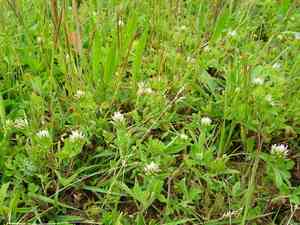
For landscape planning, incorporating Sea clover introduces a rich blend of hues and textures, elevating the overall visual appeal. Its vibrant green foliage and delicate blossoms offer a beautiful contrast against other garden elements. Whether crafting a peaceful garden sanctuary or a lively outdoor area, Sea clover provides a distinct aesthetic that can enhance any environment. Consider pairing it with plants featuring contrasting leaves or flowers for a dynamic garden display.
Year-round visual impact of Sea clover
The seasonal transformations of Sea clover contribute to its visual presence in your garden throughout the year. During spring and summer, its vivid flowers add a burst of color, while its foliage remains lush and green well into autumn. This seasonal variation not only keeps your garden looking fresh but also offers evolving scenery that captivates visitors and residents. Furthermore, Sea clover's ability to maintain its allure across different seasons ensures your landscape stays attractive all year.
Companion plants for Sea clover
Selecting companion plants for Sea clover can further enhance your landscape's visual appeal. Plants with similar hydration and light requirements make excellent partners, and those with contrasting textures or colors can create a striking visual balance. For instance, combining Sea clover with taller grasses or shrubs can introduce height variation, while low-growing groundcovers can fill gaps and add fullness. This thoughtful plant selection not only amplifies Sea clover's beauty but also fosters a cohesive and harmonious landscape design.
Utilizing Sea clover for Practical Landscaping
Erosion prevention and soil stabilization
Sea clover plays a vital role in practical landscaping, especially in preventing erosion and stabilizing soil. Its extensive root system helps bind the soil, reducing erosion caused by wind and rain. This makes it an excellent option for slopes and areas prone to soil displacement. By planting Sea clover, you not only beautify your landscape but also contribute to your garden's environmental health by preventing soil loss and promoting ground stability.
Sea clover as a natural soil enhancer
Sea clover is also well-known for its capacity to naturally improve soil health. As a leguminous plant, it can fix nitrogen from the atmosphere, enriching the soil with essential nutrients necessary for other plants to flourish. Integrating Sea clover into your garden can lead to healthier soil, which in turn supports robust plant growth and lessens the need for chemical fertilizers. This natural soil enhancement makes Sea clover a sustainable and eco-friendly addition to any landscape.
Water conservation and drought tolerance
Water management is a critical aspect of landscape design, and Sea clover excels in this area. Its deep roots allow it to access water from deeper soil layers, making it drought-tolerant and beneficial for water conservation. In regions with irregular rainfall or dry periods, Sea clover can thrive with minimal irrigation, reducing your garden's overall water needs. This resilience not only ensures a vibrant landscape even during droughts but also promotes a more sustainable approach to gardening.
Innovative Placement and Designs with Sea clover
Designing walkways and edges
Creating walkways and edges with Sea clover can add structure and definition to your landscape. It works well along garden paths, sidewalks, and around flowerbeds, providing a soft, natural boundary. When used as an edging plant, Sea clover helps delineate specific areas within the garden while seamlessly integrating into the overall design. Furthermore, its low-growing habit makes it an ideal choice for framing more prominent garden features, ensuring your pathways and borders are both practical and attractive.
Group planting and focal points
Group planting with Sea clover can create impressive focal points within your garden. Clustering several of these plants together in strategic locations draws the eye and establishes visual interest. Consider using Sea clover in conjunction with other plants of varying heights and textures to create a lush, inviting area that captures attention. This technique is particularly effective in larger landscapes, where clusters of Sea clover can break up expansive spaces and add depth and dimension to your garden design.
Height variation and layering in landscape architecture
Height variation and layering are fundamental principles in landscape architecture, and Sea clover contributes significantly to achieving these effects. By planting Sea clover at different elevations or combining it with plants of various heights, you can create a multi-dimensional landscape that feels organic and engaging. This layering not only adds visual interest but also enhances your garden's microclimate, providing habitat for beneficial insects and improving overall garden health.
Caring for Sea clover in Your Garden
Essential tips for vigorous growth
To ensure Sea clover flourishes in your garden, provide it with ample sunlight and well-draining soil. While it is relatively low-maintenance, consistent watering during dry spells is crucial for optimal growth. Fertilization is often unnecessary due to its nitrogen-fixing properties, but occasional organic compost can boost growth. Pruning dead or overly dense growth will also help maintain its form and encourage new, healthy shoots.
Seasonal upkeep activities
Seasonal upkeep is vital for keeping Sea clover in prime condition throughout the year. In spring, check for new growth and remove any winter damage. Summer care involves regular watering and occasional pruning to manage growth. In autumn, trimming back spent blooms and leaves can prepare Sea clover for the colder months. Throughout the year, maintaining a layer of mulch around the base can help retain moisture and prevent weeds, ensuring a healthy and vibrant plant.
Naturally managing pests and diseases
Managing pests and diseases in an organic, eco-friendly manner is important for maintaining a healthy garden. For Sea clover, look out for common pests like aphids or spider mites and use insecticidal soap or neem oil as a treatment. Promoting a biodiverse garden by encouraging natural predators and planting companion plants can also keep pest populations in check. Regular inspection and prompt action at the first sign of trouble will help keep Sea clover robust and thriving.



