Enhancing Your Garden Design with the Mother of thyme Plant: A Landscaping Guide
1
Creeping thyme is a adaptable plant capable of enhancing the beauty of any garden.
2
It flourishes in bright locations with soil that drains effectively.
3
Appropriate care ensures creeping thyme remains vibrant and attractive throughout the entire year.
Introducing Mother of Thyme in Garden Design
Appreciating the visual charm of Mother of Thyme
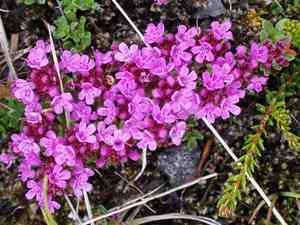
A primary characteristic of Mother of Thyme is its delightful, mat-forming growth habit, which creates a rich, green, carpet-like appearance. This plant, with its delicate, fine leaves and gentle pink or purple blossoms, brings a fresh, captivating element to any landscape. Its low-growing nature effectively covers the ground while allowing other plants to stand out, making it a versatile option for both expansive and smaller garden areas.
Advantages of selecting Mother of Thyme for your garden
Beyond its visual appeal, Mother of Thyme offers significant practical benefits. It's a resilient plant capable of enduring light foot traffic, making it ideal for pathways and garden beds where other plants might struggle. It also tolerates drought once established, leading to less watering and upkeep for you. Furthermore, Mother of Thyme is an excellent choice for attracting beneficial insects like bees and butterflies to your garden, fostering a healthy ecosystem.
Optimal Locations for Planting Mother of Thyme
Evaluating light exposure and soil conditions
For Mother of Thyme, the best planting spot would be an area receiving ample sunlight. Full sun promotes the strongest growth and most abundant flowering. Regarding soil, excellent drainage is vital as Mother of Thyme does not thrive in waterlogged conditions. Sandy or rocky soils are perfect, and if your soil is heavy, consider amending it with sand or gravel to enhance drainage.
Selecting strategic positions for visual impact
When deciding where to plant Mother of Thyme, consider areas that would benefit from a touch of greenery and subtle color. Edges of walkways, the spaces between stepping stones, or the front of garden borders are all prime locations for Mother of Thyme. Its low-growing habit makes it an ideal plant for filling gaps without overshadowing other garden features, ensuring a harmonious yet vibrant landscape.
Design Concepts with Mother of Thyme
Crafting paths and borders
Mother of Thyme is an outstanding choice for creating charming garden pathways. Planting it between paving stones or along garden paths produces a natural, flowing look that encourages exploration. The soft texture and pleasant fragrance of Mother of Thyme underfoot can transform a simple walkway into an enchanting garden feature.
Mother of Thyme as ground cover: Benefits and considerations
When utilized as ground cover, Mother of Thyme provides several advantages. It helps suppress weeds, reducing the time spent on garden maintenance. It's also an efficient way to cover large areas with minimal plants. However, be aware that Mother of Thyme might require occasional trimming to prevent it from spreading into lawns or other garden beds.
Companion plants and pairings
Combining Mother of Thyme with complementary plants can enhance your garden's allure. Consider pairing it with taller, contrasting plants like ornamental grasses, which can create a layered and dynamic appearance. Plants with striking foliage colors or textures, such as silver-flecked Artemisia or purple-leaved Heuchera, can add visual interest and balance to your garden design.
Care Guidelines for Mother of Thyme
Watering and nutrient recommendations
While Mother of Thyme is drought-tolerant, it still needs watering during its initial establishment period. Once settled, occasional deep watering during extended dry spells is sufficient. Avoid overwatering to prevent root rot. As for feeding, Mother of Thyme doesn't require heavy fertilization. A light application of compost in the spring can supply the necessary nutrients for vigorous growth.
Pruning methods for optimal development
Pruning Mother of Thyme helps maintain its form and promotes denser growth. After flowering, trim back the spent blooms and a portion of the foliage to keep the plant compact. Regular pruning also helps prevent the plant from becoming woody and sparse in the center. Avoid cutting into the woody stems as this can harm the plant.
Common Issues and Solutions
Addressing pests and diseases
Mother of Thyme is generally resistant to pests and diseases, but occasional problems may arise. Aphids and spider mites can sometimes be an issue. Regularly inspecting your plants and using insecticidal soap or neem oil can help manage these pests. Fungal problems, often due to poor drainage, can be alleviated by ensuring proper watering practices and avoiding waterlogged soils.
Controlling spread and overgrowth
Managing the spread of Mother of Thyme involves consistent maintenance. If it begins to encroach on undesired areas, gently lift and relocate the excess to another part of your garden. Alternatively, trimming back the edges can help keep it contained. Dividing the plants every few years not only helps manage growth but also revitalizes older plants, encouraging healthier, more robust new growth.



