Enhancing Your Garden Design with the Thyme Plant: A Landscaping Guide
1
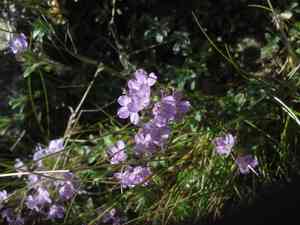
Thyme serves effectively as both a ground cover and a central feature in your garden design.
2
Thyme complements numerous other plants, offering flexibility for companion planting strategies.
3
Optimal periods for planting Thyme are generally during the spring and autumn seasons.
Incorporating Thyme into Your Garden Layout
Advantages of Adding Thyme to Your Landscape
Integrating Thyme into your outdoor space offers both visual appeal and practical benefits. A key aesthetic plus is its appealing foliage, which lends rich texture to garden beds. Thyme's small, delicate leaves create a soft, lush look, enhancing any garden's visual charm. Furthermore, Thyme produces lovely blossoms that further beautify your garden. From a practical standpoint, Thyme is a resilient plant needing minimal upkeep, making it perfect for gardeners seeking low-maintenance landscaping options. Additionally, it's drought-tolerant, meaning it can flourish in diverse conditions, conserving water and reducing your maintenance efforts.
Innovative Placement of Thyme in Your Yard
Strategically placing Thyme can significantly alter your lawn's appearance. You can use Thyme to border pathways, creating a fragrant and visually pleasing edge that guides visitors through your garden. Another creative approach is to plant Thyme around garden features like benches or gazebos, thereby establishing cozy, inviting spots for relaxation. Cultivating Thyme in rock gardens or alongside stone walkways is another excellent method to incorporate its beauty. Grouping Thyme with other ground covers or utilizing it as a low hedge can also accentuate specific areas of your garden.
Utilizing Thyme as a Groundcover or a Central Feature
Thyme serves dual roles in garden designâas a groundcover and as a focal point. When employed as a groundcover, Thyme forms a dense mat that can suppress weeds and reduce soil erosion. Its vigorous growth provides a carpet-like effect that can soften the harsh lines of your garden. Alternatively, Thyme can be used as a focal point by planting it in a prominent spot where its beauty can truly stand out. A single Thyme plant or a cluster of them can become a centerpiece in a garden bed or a highlight in a container garden. Thyme's adaptability means it can seamlessly fit into various design themes, from rustic to contemporary.
Companion Plants for Thyme in a Garden Setting
Ideal Partner Plants for Thyme
Selecting appropriate companion plants for Thyme can boost your garden's overall beauty and vitality. Lavender is an excellent partner for Thyme as both plants prefer similar growing conditions and create a harmonious look with their complementary hues and textures. Another superb companion is rosemary, which shares Thyme's drought-resistant qualities and adds an aromatic element to your garden. Sage, with its contrasting leaf shapes and colors, also pairs well with Thyme, resulting in a visually appealing and diverse garden bed.
Factors for Plant Pairings with Thyme
When combining Thyme with other plants, several considerations are important. Firstly, choose plants that have similar water and sunlight needs to ensure all your garden plants can thrive together. Secondly, consider the growth habits and mature size of companion plants to prevent overcrowding and ensure each plant has ample space to grow. Thirdly, think about seasonal interest; select plants that will bloom or have attractive foliage at different times of the year to maintain a dynamic and engaging garden throughout the seasons.
Seasonal Considerations for Thyme Cultivation
Optimal Times of Year for Planting Thyme
Timing is critical for successful Thyme planting. The best periods of the year to plant Thyme are typically in the spring and autumn. Planting in the spring, after the last frost, allows Thyme to establish its root system before the hot summer months. Fall planting, conversely, enables Thyme to benefit from cooler temperatures and increased rainfall, promoting strong root development before winter. Avoid planting Thyme during peak summer heat or in winter when the ground may be frozen, as these conditions can stress the plant and impede its growth.
How Seasonal Shifts Impact Thyme
Understanding how seasonal changes affect Thyme will help you maintain its health and appearance year-round. In spring and summer, Thyme typically experiences vigorous growth and may produce flowers, adding splashes of color to your garden. However, irrigation during this period is essential, especially in dry spells, to keep the plant flourishing. In fall, Thyme begins to prepare for dormancy by slowing its growth. This is an ideal time for light pruning to shape the plant. During winter, Thyme remains relatively dormant. While it is hardy, providing some mulch can protect it from severe cold snaps, ensuring it emerges strong in the spring.
Thyme Maintenance in Your Landscape - Fundamentals
Key Advice for Sustaining Thyme
Maintaining Thyme in your landscape is straightforward and requires only a few basic practices. Ensure Thyme is planted in well-drained soil to prevent root rot, and place it in a location with full sun to partial shade. Water Thyme regularly during its establishment phase; once mature, it can tolerate drought but will benefit from occasional watering during extended dry periods. Pruning Thyme annually helps maintain its form and encourages new growth. Adding a layer of mulch around the plant can conserve moisture and suppress weeds.
Common Thyme Issues and Their Solutions
While Thyme is generally easy to care for, it can encounter some common problems. One issue is overwatering, which can lead to root rot. Ensure the soil drains well and avoid excessive irrigation. Pests like spider mites and aphids can sometimes be a concern; using insecticidal soap or introducing natural predators like ladybugs can help manage these pests. Occasionally, Thyme may suffer from fungal diseases, especially in humid conditions. To combat this, provide adequate spacing for air circulation and apply a fungicide if necessary. By addressing these challenges promptly, you can keep Thyme healthy and thriving.



